Residential Mold Removal in Los Angeles
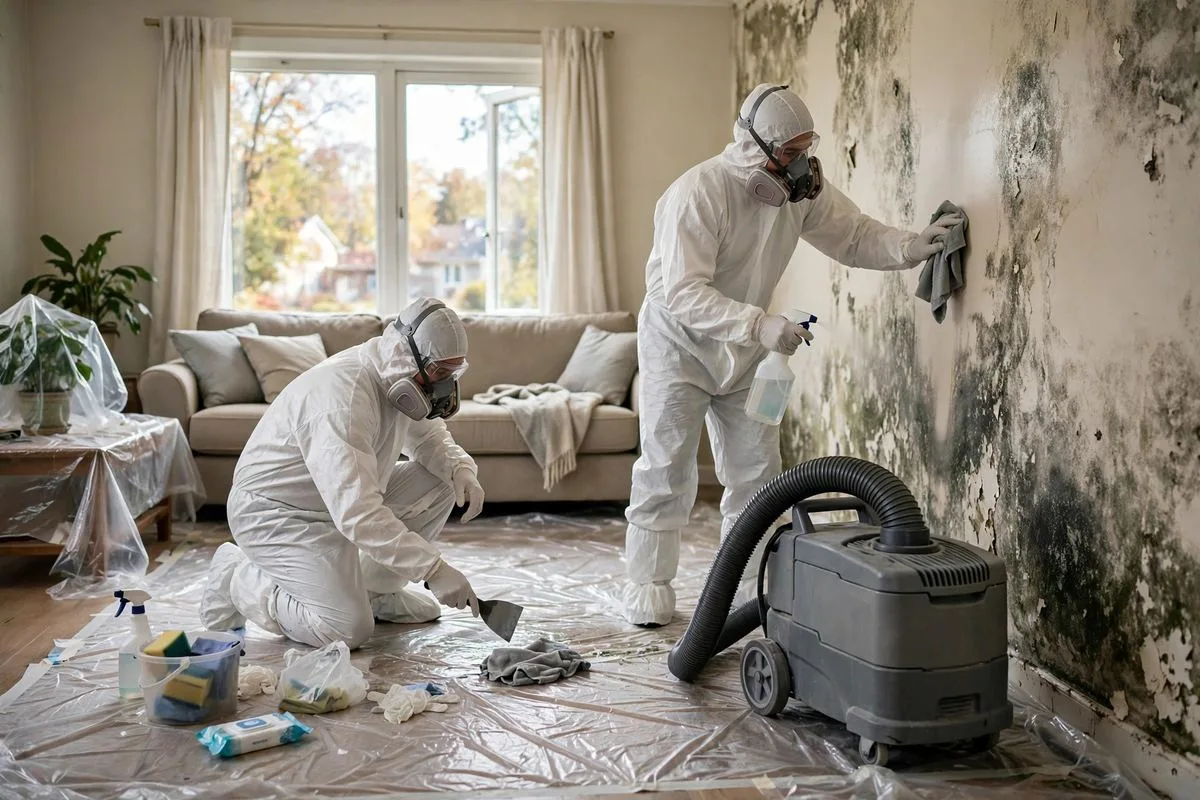
Residential mold removal in Los Angeles is the contained removal of mold growth in single-family homes, condominiums and apartments, carried out by independent local providers. It is the service most homeowners and renters ask for first, and it covers the growth in the places where people live: bedrooms, bathrooms, kitchens, living rooms, attics and crawl spaces. Mold Removal Experts LA does not perform residential work itself. This site connects you with independent local providers, and the provider who takes your job performs the removal and discusses the scope and pricing directly with you.
Residential work is personal in a way commercial work is not. The home is where people sleep, eat and raise children, and the provider works in the middle of that. The scope of work should reflect it: what will be removed, what will be cleaned, how the rest of the home will be protected, and whether the family needs to stay elsewhere during the work. A provider who explains those things plainly before starting is a provider worth working with.
Mold in single-family homes
Single-family homes in Los Angeles grow mold for the local reasons described across this site: slow plumbing leaks inside walls, roof leaks after winter rain, slab leaks in post-war homes, bathroom ventilation that never worked, and crawl space damp under raised foundations. The growth is usually found in one or two rooms first, and the provider's inspection maps how far the water spread beyond the visible area.
The owner of a single-family home is usually the person who commissions the work and pays for it, which makes the written scope and the price particularly important. Ask for both in writing before work begins, and ask what is included: the inspection, the removal, the drying, the clearance testing, and whether rebuilding is included or left to a separate contractor. The cost guide explains the factors that move pricing.
- Slow plumbing leaks, roof leaks, slab leaks and ventilation
- Growth usually found in one or two rooms first
- Inspection maps how far the water spread
- Written scope and price before work begins
- Ask whether rebuilding is included
Mold in condominiums and apartments
Condominiums and apartments add a layer that single-family homes do not have: shared walls, shared plumbing, and a building association or landlord who may be responsible for part of the problem. A leak in the unit above can wet the ceiling of the unit below. A plumbing stack that serves several units can leak into more than one home. The provider's inspection checks the neighboring units and the shared systems as part of the assessment, and the written scope describes what was found.
The question of who pays is decided by the building documents and the lease, not by the provider. The provider describes the physical facts: where the growth is, what the moisture source is, and what needs to be removed and dried. The owner, the tenant, the landlord or the HOA decides the responsibility question with that evidence. If you are a tenant, the tenant-rights guide on this site explains the California framework in general terms, and the specifics of any situation belong to a lawyer.
- Shared walls and shared plumbing affect more than one unit
- A leak above can wet the unit below
- Inspection checks neighboring units and shared systems
- Responsibility is decided by building documents and the lease
- The provider describes the facts; the parties decide the rest
Mold and renters: what to know
Renters who find mold should tell the landlord or property manager in writing, with photos and a description of where the growth is and whether there is a leak. That written record matters, because it starts the clock on the landlord's duty to respond and it creates the evidence a dispute may later need. The landlord is generally responsible for fixing leaks and the building defects that cause mold, while the tenant is responsible for ventilating the home and reporting problems promptly.
A renter can also request an independent inspection, and the inspection report is the document that holds up in a dispute: it describes the growth, the moisture readings and the likely source, in a form that a landlord, a housing department or a mediator can rely on. The California tenant-rights guide on this site explains the framework, including the Health and Safety Code and the Civil Code provisions that apply, in general terms and not as legal advice.
- Tell the landlord in writing, with photos
- The written record starts the clock and creates evidence
- Landlords generally fix leaks and building defects
- Tenants ventilate and report problems promptly
- An independent inspection report holds up in a dispute
The residential removal process
Residential removal follows the same contained process as other mold remediation, scaled to the home. The provider inspects the affected areas, takes moisture readings, and produces a written scope. The work area is contained with sheeting, and filtered air equipment keeps it under negative pressure so spores do not drift into clean rooms. Affected porous materials are removed in sealed bags. Surfaces that can be saved are cleaned. The structure is dried until moisture readings show it is dry. Independent clearance testing verifies the result.
The differences in a home are practical: furniture and belongings are moved or protected, the family's daily routine is planned around the work, and the provider explains whether the family can stay in the home during the job. Small contained jobs often allow the rest of the home to be used normally. Larger jobs may call for staying elsewhere during the work, and the provider will say so plainly.
- Inspection, moisture readings and a written scope
- Containment with sheeting and filtered air
- Affected materials removed in sealed bags
- Structure dried until moisture readings show it is dry
- Independent clearance testing verifies the result
Protecting the rest of the home during the work
Containment is what protects the rest of the home. The work area is sealed off, and the air inside it is kept under negative pressure, so spores are drawn inward and captured rather than drifting into clean rooms. Furniture and belongings in the work area are moved or covered, and the provider seals doorways and vents that connect the work area to the rest of the home.
After the work, the provider cleans the contained area and the access routes, and the containment comes down only after verification passes. If the job involved a bedroom or a kitchen, the provider will explain when the room can be used again and what, if anything, needs to be cleaned before it is. Ask those questions before the work starts, so the plan is clear.
- Work area sealed off with sheeting
- Negative air pressure draws spores inward
- Furniture and belongings moved or covered
- Containment comes down only after verification passes
- Provider explains when the room can be used again
What affects the cost of residential mold removal
No price is quoted on this site, because the cost depends on the size of the affected area, the number of rooms, the materials involved, how long the area has been wet, and whether containment, drying and independent clearance testing are in the scope. Only the provider who has seen the home can quote it. The cost guide explains the factors that move pricing for mold work generally. When you request residential help, ask whether the quote includes rebuilding, or whether that is a separate contractor's job.
- Size of the affected area and number of rooms
- Materials affected: drywall, wood, insulation, flooring
- How long the area has been wet
- Containment, drying and clearance testing in the scope
- Whether rebuilding is included
Related pages
How a referral works
- Tell us about the mold. Where it is, how large the area looks, and whether there has been a leak or flood.
- We connect you with independent local providers. They do the inspection, testing, removal or remediation — we do not perform the work ourselves.
- The provider contacts you. They arrange the visit, explain what they found, and agree the work with you directly.
Frequently asked questions
How much does residential mold removal cost?
It depends on the size of the affected area, the materials involved, and how long the area has been wet. No price is quoted on this site, because only the provider who has seen the home can quote it. The cost guide explains the factors that move pricing.
Can I stay in my home during mold removal?
It depends on the size of the contained area and the provider's advice. Small contained jobs often allow the rest of the home to be used normally. Larger jobs may call for staying elsewhere during the work. Ask the provider what they recommend for your specific job.
I rent my home and found mold. What should I do?
Tell the landlord or property manager in writing, with photos and a description of where the growth is and whether there is a leak. That written record matters. An independent inspection produces a report that holds up in a dispute, and the tenant-rights guide on this site explains the California framework in general terms.
Does mold removal include fixing the leak?
The moisture source is fixed as part of the job, or the provider tells you plainly what needs to be fixed by another trade. Removing mold without fixing the water that fed it is a temporary job, and the growth will return to the same place.
How long does residential mold removal take?
A small contained job in one room can take a day or two, including drying time. A larger job across several rooms, or one that needs structural drying and independent clearance testing, takes longer. The provider who scopes the job can give a realistic timeframe after seeing the home.
Will the mold come back after removal?
It can, if the moisture source is not fixed. That is why removal includes finding and fixing the leak or ventilation problem, drying the structure, and verifying the work. Prevention after the job matters too: fixing leaks promptly and keeping the home ventilated and dry.
Request a referral
Please note: online requests are not connected yet — the request form for this domain is still being set up. Your details are not sent when you submit this form. For the fastest response, please call (945) 422-7665.
Need mold help in Los Angeles?
Tell us where the mold is and how large the area looks. We will connect you with an independent local provider.
Request a referral Call (945) 422-7665
Mold Removal Experts LA is a referral service. We do not perform mold inspection, testing, or remediation. We connect you with independent local providers who do the work.