Mold on Wood in Los Angeles
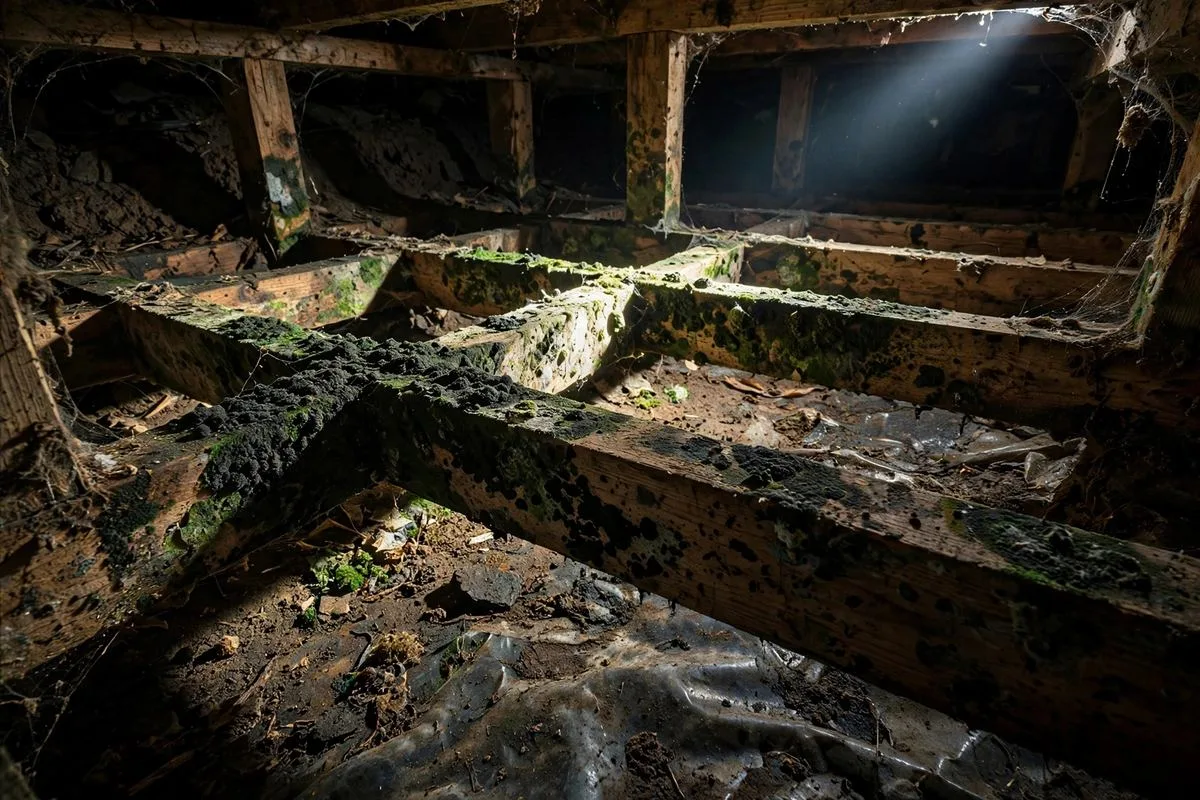
Wood is the backbone of most Los Angeles homes — framing, subfloors, roof decking, and trim — and mold grows on it readily once it stays damp. A roof leak that wets the decking, a plumbing leak that soaks a subfloor, or a crawl space with poor ventilation can all leave wood framing damp enough for mold to take hold. The question providers answer first is not how to clean it, but whether the wood is still sound.
Mold Removal Experts LA is a referral service. We do not perform the work ourselves. We connect you with independent local mold providers who inspect mold on wood, determine whether the wood can be cleaned or needs replacing, and carry out the remediation. This page explains how that decision is made.
Before the provider arrives, it helps to know the history of the wood: when the leak started, whether the area has been wet before, and whether any previous work was done on it. Wood that has been wet repeatedly is more likely to have rotted than wood that got wet once, and the provider's assessment will reflect that. If the wood is in an attic or crawl space, make sure the provider can reach it — clear the access hatch or the crawl-space entry before the visit, and note any area you cannot reach yourself.
Where mold on wood shows up in LA homes
The most common places are roof decking under a leaking roof, subfloors under a leaking bathroom or kitchen, framing inside a wall that has been wet from a plumbing leak, and wood in crawl spaces and attics where ventilation is poor. Outdoor wood — decking, fences, and fascia — also grows mold, but outdoor growth is a maintenance issue; the remediation work on this page is about structural wood inside the home.
Wood framing can look fine from the outside while mold grows on the surface and in the grain. Because wood is porous, surface cleaning alone is not always enough, and a provider checks how deep the growth and the moisture go before deciding on a method.
Signs of mold on wood
Mold on wood does not always look black. It can be white, grey, green, or brown, and it can look like staining or discolouration in the grain. Watch for:
- Dark or discoloured patches on framing, joists, or subflooring
- A musty smell in an attic, crawl space, or room with wood floors
- Wood that feels soft, crumbly, or punky when pressed
- White or grey fuzzy growth on the surface of framing
- Staining that follows a leak path down a stud or joist
- Flooring that cups, buckles, or feels spongy over a damp subfloor
When wood can be cleaned and when it must be replaced
Surface mold on solid, structurally sound wood can often be cleaned and treated by a provider using methods suited to the material — scrubbing, sanding, or HEPA vacuuming, followed by drying. The key question is whether the wood is still structurally sound. Wood that has rotted, softened, or lost strength from prolonged dampness cannot be cleaned back to sound condition and needs to be cut out and replaced.
A provider checks the wood by probing it, measuring its moisture content, and looking at how deep the growth goes. Framing that is surface-stained but firm is usually cleanable. Subflooring or joists that are soft, crumbling, or visibly rotted are not. The provider should explain which pieces fall in each category before work starts, so you know what is being cleaned and what is being replaced.
Drying wood properly matters as much as cleaning it
Wood that is cleaned while still wet will grow mold again. After cleaning or removal, the provider dries the remaining wood with dehumidifiers and air movers and checks moisture readings before anything is closed up or rebuilt. In attics and crawl spaces, the provider may also look at ventilation, because wood that stays damp from poor airflow will keep growing mold even after a thorough cleaning.
What affects the cost
Wood mold jobs range from cleaning a small area of framing to replacing sections of subfloor or roof decking. The amount of wood involved, whether it is cleanable or must be replaced, and the drying time all change the scope. Structural replacement is a separate trade in some cases, and the provider should say so. No price can be quoted before an inspection. Our cost guide explains the factors and publishes reported market ranges from named sources.
Protecting wood framing after remediation
Wood that has been cleaned and dried needs to stay dry, and that is mostly a matter of fixing the conditions that wet it in the first place. In an attic, that means a sound roof and ventilation that moves air through the space — ridge vents, soffit vents, or gable vents that are clear and working. In a crawl space, it means ventilation plus a vapour barrier over the soil, so ground moisture does not rise into the framing. In a wall, it means the leak is repaired and the flashing and stucco are sound.
The provider should leave you with a clear picture of what was done and what to watch: which pieces of wood were cleaned, which were replaced, and what the final moisture readings were. Keep that record, because it is the baseline. If the wood gets wet again — a new roof leak, a new plumbing leak — the record tells the next provider exactly what was done before. And if the framing was replaced, the replacement wood should be checked the same way as the original: dry, sound, and protected from the moisture source that caused the problem.
Related pages
How a referral works
- Tell us about the mold. Where it is, how large the area looks, and whether there has been a leak or flood.
- We connect you with independent local providers. They do the inspection, testing, removal or remediation — we do not perform the work ourselves.
- The provider contacts you. They arrange the visit, explain what they found, and agree the work with you directly.
Frequently asked questions
How can I tell if wood is rotted or just stained?
Press it. Sound wood is firm; rotted wood feels soft, crumbly, or punky, and a screwdriver or awl sinks into it easily. The provider probes the wood during the inspection and measures its moisture, and that test — not the colour of the stain — decides whether the wood can be cleaned or must be replaced.
Can mold grow on treated or painted wood?
Yes, on the surface. Paint and treatment slow moisture absorption but do not prevent growth if the wood stays damp. Painted framing that has been wet behind a wall can still grow mold on the painted surface and in the grain.
What is dry rot, and is it the same as mold?
No. Dry rot is fungal decay that breaks down the wood's structure and weakens it, while surface mold grows on the wood without necessarily destroying it. A provider distinguishes the two during the inspection, because rotted wood needs replacement and surface-stained sound wood usually does not.
Should attic wood be checked after a roof leak?
Yes. A roof leak wets the decking and rafters from above, and the damage is easy to miss from inside the house. Ask the provider to include the attic in the inspection when the leak came from the roof.
Can I seal wood after cleaning to prevent mold?
Sealants do not fix a moisture problem. Wood that is sealed while still damp, or while the leak continues, will grow mold again behind the sealant. Fix the source and dry the wood first; a sealant is only a finish after that.
Does mold on wood mean the house is structurally unsafe?
Not usually, but it can mean a structural question needs answering. Surface mold on firm framing is a cleaning job. Rotted joists or subflooring are a structural matter, and the provider will tell you when a contractor should assess the framing.
Request a referral
Please note: online requests are not connected yet — the request form for this domain is still being set up. Your details are not sent when you submit this form. For the fastest response, please call (945) 422-7665.
Need mold help in Los Angeles?
Tell us where the mold is and how large the area looks. We will connect you with an independent local provider.
Request a referral Call (945) 422-7665
Mold Removal Experts LA is a referral service. We do not perform mold inspection, testing, or remediation. We connect you with independent local providers who do the work.