Does Bleach Kill Mold?
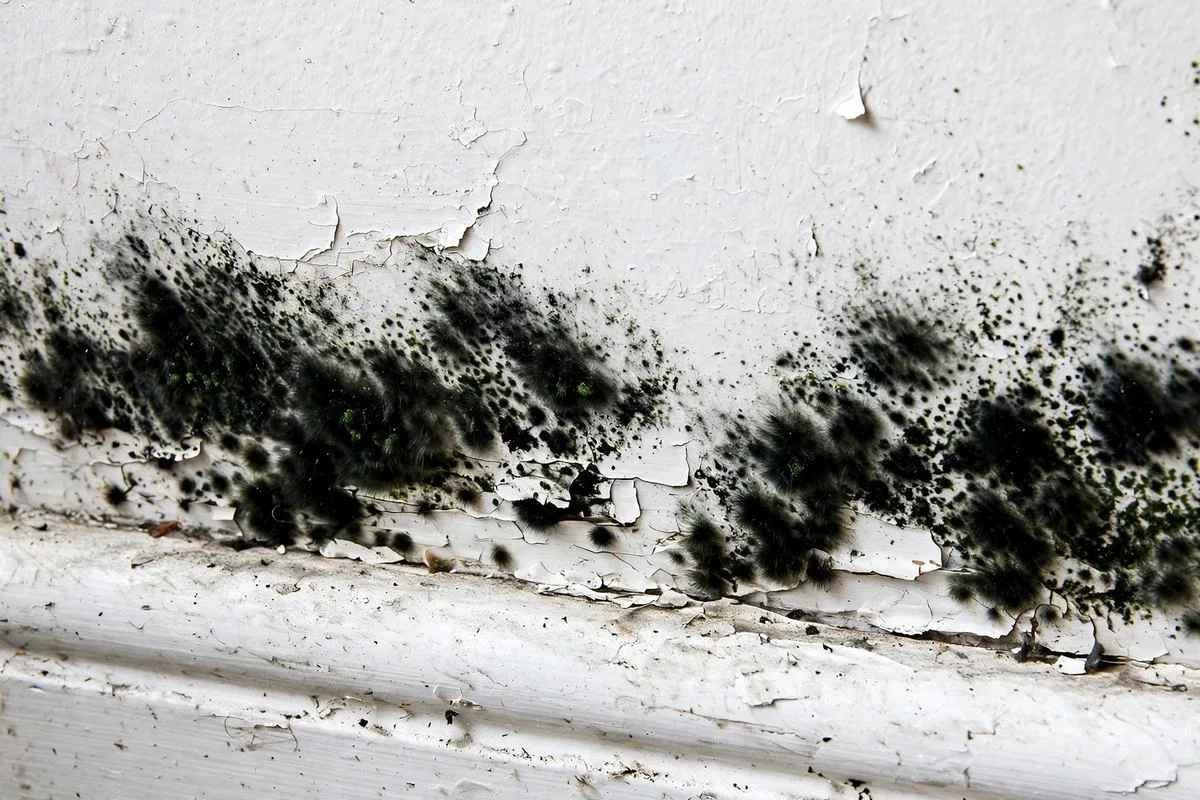
Bleach can kill mold on hard, non-porous surfaces, but it does not reliably kill mold on porous materials such as drywall, wood and grout, and it does not fix the moisture problem that let the mold grow. That is the short answer, and it is also the reason bleach has a reputation that is bigger than its results. The U.S. Environmental Protection Agency (EPA) guidance on mold cleanup is clear on two points: mold needs moisture to grow, and the moisture problem must be fixed for the mold problem to stay fixed. Bleach addresses neither of those points on its own.
This post explains what bleach does and does not do, what the EPA says about cleaning mold, when bleach is a reasonable choice for a small surface patch, and when a professional should be involved instead. It is general information, not medical advice. Mold Removal Experts LA is a referral service that connects customers with independent local providers; it does not perform mold work itself.
What the EPA says about cleaning mold
The EPA's mold guidance distinguishes between small areas and larger problems. For small areas of mold on hard, non-porous surfaces, the EPA notes that mold can often be cleaned with water and detergent, or with a commercial mold cleaner, and that the area should be dried completely afterwards. The agency's central rule is the 10-square-foot threshold: if the moldy area is larger than about 10 square feet, or if the mold is in a heating, ventilation and air conditioning system, the EPA recommends hiring a professional. That threshold is a practical line, not a legal limit, and it reflects how much contamination and how much hidden growth a larger patch usually involves.
The EPA also stresses that mold cannot be cleaned away permanently while the moisture source remains. A leak, a drainage problem, condensation or poor ventilation will keep feeding growth, and the mold will return after cleaning. Bleach, detergent or any other cleaner is a surface treatment. The lasting fix is to find and repair the water source, dry the area, and then clean or remove the affected materials. That order matters: clean first without fixing the leak, and the patch comes back.
Why bleach works on tile but not on drywall
Household bleach is mostly water with sodium hypochlorite as the active ingredient. On a hard, non-porous surface such as glazed tile, glass or a sealed countertop, the solution sits on the surface where the mold is, and the chlorine can reach it. On a porous surface such as drywall, wood, grout or unsealed concrete, the water in the bleach solution soaks into the material while the chlorine stays near the surface and breaks down quickly. The visible growth may fade, because bleach removes colour, but the roots of the mold inside the material can survive. That is why a patch on drywall often looks clean for a few days and then returns in the same place.
This is also why bleach can be misleading. It whitens the stain, so the wall looks fixed, while the dampness and the growth inside the material continue. If the drywall is soft, crumbling or stained through, cleaning the surface does not restore it. Porous materials that have been wet for a long time usually need to be removed and replaced, not bleached. A professional can test moisture levels inside the wall and tell whether the material can be dried and cleaned or whether it should be removed.
When bleach is a reasonable choice
Bleach can be a reasonable choice for a small patch on a hard, non-porous surface, such as a few spots on shower tile, a sealed sink surround or a glass door. The patch should be small, well under the EPA's 10-square-foot threshold, on a surface that will not be damaged by bleach, and in a room where the moisture source is already fixed or is clearly a one-off spill. The room should be ventilated, gloves and eye protection should be worn, and bleach should never be mixed with ammonia or with other cleaners, because the combination can produce dangerous gases. The Centers for Disease Control and Prevention (CDC) also warns against mixing bleach with other household chemicals.
Even in that narrow case, bleach is not the only option. Water and detergent, or a commercial mold cleaner labelled for the surface, can clean a small patch on tile without the fumes and surface damage that bleach can cause. The important steps are the same whichever cleaner is used: clean the surface, rinse if the product calls for it, dry the area completely, and fix the moisture source. If the patch is on grout, remember that grout is porous, so bleach may whiten it without reaching the growth inside.
When bleach is the wrong choice
Bleach is the wrong choice for a large patch, for mold on drywall, wood, carpet or insulation, for mold in an air conditioning system, and for any mold that follows sewage or floodwater. It is also the wrong choice when someone in the home has a respiratory condition, is pregnant, is a young child, or has a weakened immune system, because the fumes and the disturbance of the mold can both be irritants. In those cases, the safer step is to leave the area alone, avoid disturbing it, and ask a professional provider what to do next.
Bleach is also the wrong choice when the moisture source has not been found. A patch that keeps returning after bleaching is telling you that water is still getting in. Bleaching it again does not change that. The source could be a slow plumbing leak, a roof leak, condensation on a duct, or water entering through a foundation crack. Finding it usually takes moisture readings and a visual inspection of the area behind and around the patch, which is work for a provider with the right tools.
What to do instead of reaching for bleach
Start by finding the water. Look for leaks under sinks, behind toilets and showers, around windows and on ceilings below bathrooms and kitchens. Check whether the patch grows after rain, after a shower, or after the air conditioning runs, because the timing points to the source. If the patch is small and on a hard surface, clean it with water and detergent or a labelled mold cleaner, dry the area completely, and watch it for a few weeks. If it returns, grows, or covers more than about 10 square feet, contact a provider for inspection. If the patch is on drywall, wood or carpet, do not assume cleaning will be enough, and ask a provider whether the material should be removed.
If you decide to ask for help, a provider connected through this site can inspect the area, map the moisture, and recommend testing or remediation where needed. The black mold remediation page and the mold inspection page explain what those services cover. The post on how to get rid of mold covers the same decision in more detail, including the EPA's 10-square-foot rule and the difference between cleaning and remediation.
Published:
Related pages
Frequently asked questions
Does bleach kill mold on tile?
Bleach can kill mold on hard, non-porous surfaces such as glazed tile, where the solution stays on the surface. It is less effective on grout, which is porous, and it does not fix the moisture source that let the mold grow.
Does bleach kill mold on drywall?
Not reliably. The water in bleach soaks into drywall while the chlorine stays near the surface, so the visible growth may fade while the mold inside the material survives. Wet or stained drywall often needs to be removed and replaced.
Is bleach safe to use on mold?
Bleach can be used safely for a small patch on a hard surface if the room is ventilated, gloves and eye protection are worn, and bleach is never mixed with ammonia or other cleaners. It should not be used on large areas, in air conditioning systems, or where sewage is involved.
Why does mold come back after bleaching?
Because the moisture source was not fixed. Mold returns whenever water keeps reaching the surface, whether from a leak, condensation or poor ventilation. Cleaning without fixing the source is a temporary result.
Need mold help in Los Angeles?
Tell us where the mold is and how large the area looks. We will connect you with an independent local provider.
Request a referral Call (945) 422-7665
Mold Removal Experts LA is a referral service. We do not perform mold inspection, testing, or remediation. We connect you with independent local providers who do the work.