Mold Removal After Water Damage in Los Angeles
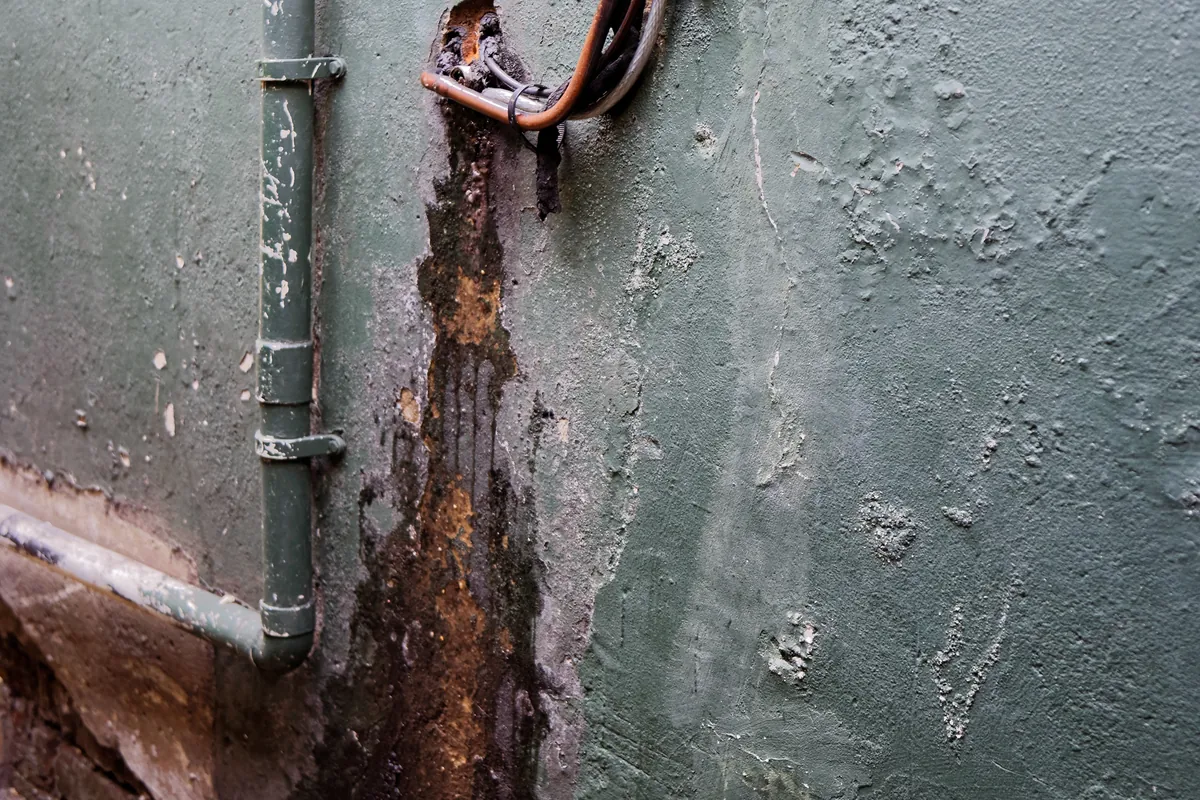
Water damage and mold are the same job in two phases. First the water has to be removed and the structure dried; then the mold that grew on the wet materials has to be removed and the area cleaned. Mold can start growing on damp drywall and wood within days of a leak or flood, so a water job that is left wet quickly becomes a mold job as well. Our team handles both phases across Los Angeles.
If the water damage is still happening, call us at (945) 422-7665 now. If the water is stopped and the mold has already grown, request a free estimate and we will inspect the damage.
How water damage becomes mold damage
Drywall, wood, insulation and carpet all soak up water, and mold grows into those materials once they stay wet. A burst pipe, a failed water heater, a roof leak in a storm, an overflowing appliance, or a flood can all leave a home wet enough for growth within days. The longer the materials stay wet, the further the growth spreads — through drywall, into wall cavities, under flooring and into insulation.
That is why drying is urgent even when the mold has not appeared yet. Water extraction and drying in the first days can keep a water job from becoming a mold job. Once growth is established, removal of the affected materials is needed as well as drying.
- Burst pipes and failed water heaters
- Roof leaks in heavy rain
- Overflowing appliances and fixtures
- Flooding from storms or rising water
- Slow leaks that soaked materials for weeks
Our water damage mold removal process
We inspect the damage and take moisture readings through the walls, floors and ceilings to map how far the water spread. Then we contain the affected areas, remove the water-damaged and mold-affected materials — drywall, insulation, carpet padding and damaged flooring — clean the surfaces that can be saved, and dry the structure with equipment sized for the space. Moisture readings are checked again before anything is rebuilt.
The work also includes the cleanup that follows water damage: removing damaged contents, cleaning salvageable items and surfaces, and dealing with the odors that come from damp and mold. We explain what can be cleaned and what should go, so you can make decisions about your belongings with clear information.
Drying before rebuilding
New drywall, flooring and paint should never go onto a wet frame. We dry the structure and check moisture readings before rebuilding, so the repair lasts and the mold does not return.
Records for your insurer
Keep photographs of the damage and records of the work. Our guide on insurance and mold removal explains what insurers usually ask about after water damage.
After the cleanup
Once the area is dry and clean, clearance testing can confirm the result — see our mold testing page. The moisture source is also dealt with: a burst pipe repaired, a roof leak fixed, drainage improved, so the same damage does not happen again.
If the water is still coming in, that comes first — call us at (945) 422-7665. If the job is urgent, our emergency mold removal page covers the emergency side. For the full remediation process, see our mold remediation page.
Related pages
Our 5-step mold removal process
- Inspection. We inspect the affected area, look for visible growth and moisture sources, and map how far the problem has spread.
- Testing & lab findings. Where needed, we sample air and surfaces. Lab findings tell us what type of mold is growing and how much of it there is.
- Remediation plan. We explain what we found, what needs to be removed, and what it will take to fix the moisture source — before any work begins.
- Removal & remediation. We contain the work area, remove the mold growth and affected materials, clean the surfaces, and dry the space.
- Follow-up & clearance testing. We return to check the work, re-test where needed, and confirm the area is dry and clear before we call the job done.
Frequently asked questions
How soon after water damage does mold grow?
Mold can start growing on damp drywall and wood within days of a leak or flood. The longer materials stay wet, the further the growth spreads — which is why drying quickly matters.
What is the difference between water damage cleanup and mold removal?
Water damage cleanup removes the water and dries the structure. Mold removal takes out the growth and damaged materials that resulted from the water. Our service covers both phases in one job.
Do you remove water as well as mold?
Yes. We handle water extraction and drying as part of the job, then remove the mold-affected materials, clean what can be saved, and dry the structure before rebuilding.
What materials have to be removed after water damage?
Drywall, insulation, carpet padding and some flooring that have been wet and colonized are usually removed. Hard surfaces such as tile, glass and metal can often be cleaned and kept.
How long does drying take after water damage?
It depends on how much water there was and which materials were soaked. Drying equipment runs until moisture readings in the walls, floors and structure reach dry levels — usually days rather than hours for a serious leak.
Is mold after water damage covered by insurance?
It often depends on the cause — a sudden burst pipe is treated differently from a slow leak or flooding. Our guide on insurance and mold removal explains what insurers usually look at.
What should I do with wet belongings?
Move valuables to a dry area if it is safe to do so, and keep photographs of damaged items for your insurer. We advise you on what can be cleaned and what should be discarded.
Will the mold come back after water damage cleanup?
It can return if the structure is not fully dried or the water source is not fixed. That is why the job includes drying to verified moisture levels and dealing with the source.
How much does water damage mold removal cost?
It depends on how much of the home was affected, how much material must be removed, and how long drying takes. Our mold removal cost guide explains the factors; an inspection gives you a written scope.
How do I book water damage mold removal?
Call us at (945) 422-7665 or request a free estimate. Tell us what happened — the water source, the rooms affected, and how long ago it happened — and we will arrange an inspection.
Need mold help in Los Angeles?
Tell us where the mold is and how large the area looks. We will arrange an inspection and explain the work before it begins.