Basement Mold Removal in Los Angeles
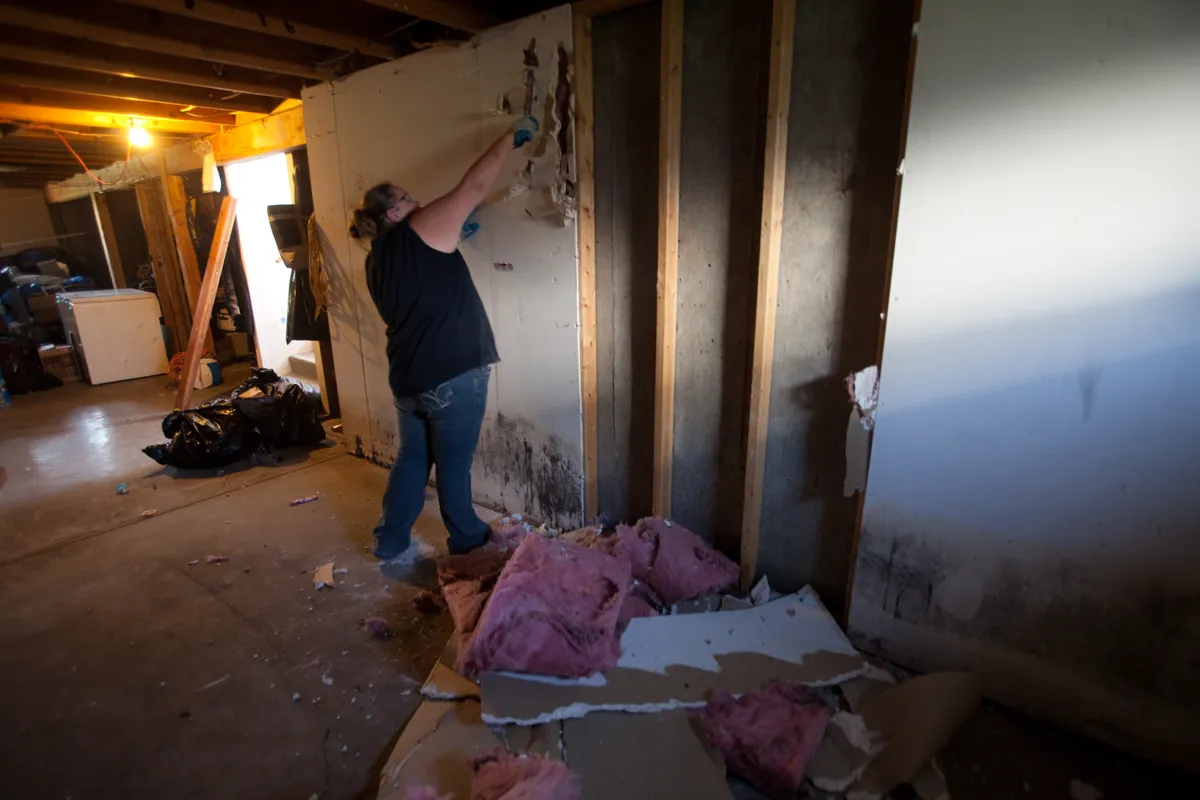
Los Angeles basements stay cool and damp, and that is exactly what mold needs. Groundwater seeping through foundation walls, poor drainage outside, plumbing leaks, and condensation on cool concrete all keep basement walls and floors wet. Our team removes mold from basement drywall, framing, flooring and stored contents, and traces the water that keeps the space damp.
We remove basement mold across Los Angeles, including homes in Pasadena, Glendale and Eagle Rock where older foundations are common. Call us at (945) 422-7665 or request a free estimate.
Why basements grow mold
The most common cause is water coming through the foundation — seepage after rain, a high water table, or poor grading that sends water toward the house instead of away from it. Plumbing leaks and condensation are the other two: a slow drip from a pipe overhead, or warm humid air meeting cool concrete walls and leaving them damp. In a finished basement, the growth often hides behind drywall and under flooring.
Basement mold is often found late, because the space is used for storage rather than living. By the time a musty smell reaches the rooms above, growth may already cover a whole wall. Our team inspects behind the finished surfaces and takes moisture readings in the walls and slab to map how far it has spread.
- Groundwater seepage through foundation walls and floors
- Poor grading and drainage sending water toward the house
- Plumbing leaks from pipes running overhead
- Condensation on cool concrete walls and floors
- Past flooding that was never fully dried
How we remove basement mold
We inspect and map the growth, then contain the area and remove the affected materials — colonized drywall, insulation, carpet and padding, and damaged wood framing where needed. Hard surfaces such as concrete and block are cleaned. Then we dry the structure with equipment sized for the space and check moisture readings before anything is rebuilt.
Basement jobs often involve contents as well as structure: boxes, furniture and stored items that have been sitting in damp air. We advise you on what can be cleaned and what should go, and we work around the items you want to keep.
Keeping a basement dry after removal
Removal without fixing the water is temporary. After the job, the fixes that matter are drainage and grading outside, sealing or waterproofing where water enters, fixing plumbing leaks, and controlling humidity with ventilation or a dehumidifier. Our humidity and mold prevention guide covers the ongoing steps, and our mold removal after water damage page covers jobs that follow a flood or major leak.
Related pages
Our 5-step mold removal process
- Inspection. We inspect the affected area, look for visible growth and moisture sources, and map how far the problem has spread.
- Testing & lab findings. Where needed, we sample air and surfaces. Lab findings tell us what type of mold is growing and how much of it there is.
- Remediation plan. We explain what we found, what needs to be removed, and what it will take to fix the moisture source — before any work begins.
- Removal & remediation. We contain the work area, remove the mold growth and affected materials, clean the surfaces, and dry the space.
- Follow-up & clearance testing. We return to check the work, re-test where needed, and confirm the area is dry and clear before we call the job done.
Frequently asked questions
What causes mold in a basement?
Water: seepage through foundation walls, poor drainage, plumbing leaks, condensation on cool concrete, or past flooding that was never fully dried. Any of these keeps the space damp enough for mold to grow.
Can mold in a basement spread to the rest of the house?
Yes. Spores travel on air currents through stairwells, ducts and gaps around pipes, and a musty smell in the rooms above often means the basement is the source. Containment during removal keeps the rest of the house protected.
Do you remove mold from basement drywall?
Yes. Finished basement drywall that has been colonized is removed under containment, along with the insulation behind it. The framing and concrete behind are cleaned and dried before rebuilding.
How do you dry a basement after mold removal?
We use drying equipment sized for the space — air movers and dehumidifiers — and check moisture readings in the walls, framing and slab until they reach dry levels. Rebuilding starts only after the structure is dry.
Will the mold come back?
It can return if the water source is not fixed. That is why every job includes tracing where the water comes from — seepage, drainage, plumbing or condensation — so the fix can be made.
How long does basement mold removal take?
It depends on the size of the basement and how much material must be removed. A single wall may take a day or two; a whole finished basement with drying time takes longer.
Do I need to empty my basement first?
Move out what you can before we arrive, especially valuables and items you want to keep. We work around what remains and advise you on items that have been affected by mold or damp.
Is basement mold covered by insurance?
It depends on the cause — a sudden pipe leak is treated differently from long-term seepage or groundwater. Our guide on insurance and mold removal explains what insurers usually look at.
How much does basement mold removal cost?
It depends on the size of the area, how much finished material must be removed, and how long drying takes. Our mold removal cost guide explains the factors; an inspection gives you a written scope.
How do I book basement mold removal?
Call us at (945) 422-7665 or request a free estimate. Tell us where the mold is and whether there has been flooding or a leak, and we will arrange an inspection.
Need mold help in Los Angeles?
Tell us where the mold is and how large the area looks. We will arrange an inspection and explain the work before it begins.