Bedroom Mold Removal in Los Angeles
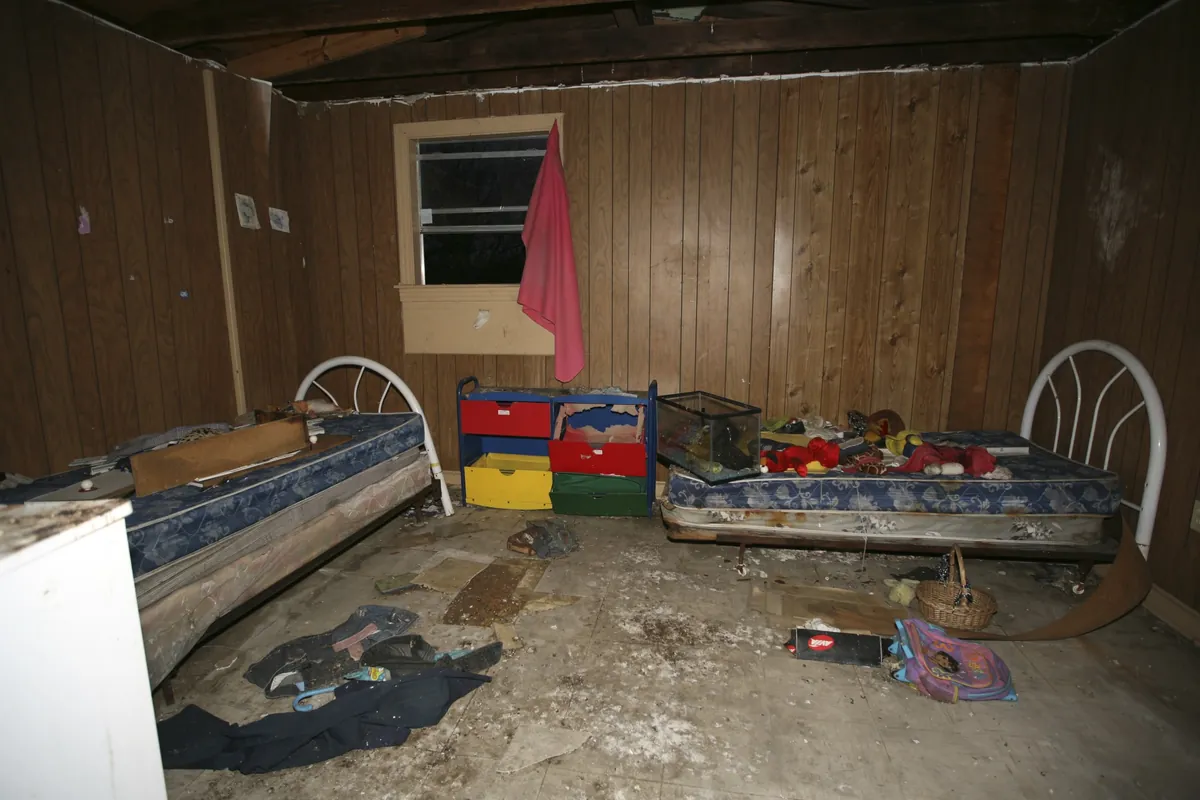
A bedroom is where you spend a third of your life, so mold there should not be left alone. It usually grows on exterior walls where condensation collects, around windows that let rain in, behind furniture pushed against a cold wall, or under carpet that has stayed damp. Our team removes bedroom mold across Los Angeles, working carefully around beds, furniture and personal belongings.
Call us at (945) 422-7665 or request a free estimate and we will inspect the bedroom, trace the damp, and remove the growth.
Where bedroom mold grows
The usual spots are exterior walls, especially behind beds, wardrobes and dressers where air cannot circulate; window frames and sills where rain or condensation collects; closets that share a wall with a bathroom; and carpet or flooring that has been wet from a leak or spill. In older Los Angeles homes, single-pane windows and uninsulated walls make condensation a regular problem.
Growth behind furniture is often found late, because the furniture hides it. A musty smell in the room, staining at the base of a wall, or peeling paint behind a bed are the usual first signs. Our team takes moisture readings in the walls and floor to map the problem before any material is removed.
- Exterior walls behind beds and wardrobes
- Window frames, sills and the wall beneath them
- Closets sharing a wall with a bathroom
- Carpet and flooring that stayed damp after a leak
- Ceilings below a leaking roof or bathroom above
How we remove bedroom mold
We inspect the room and take moisture readings, then contain the work area and protect the furniture and belongings that stay in the room. Affected drywall, carpet and padding are removed under containment; hard surfaces are cleaned; and the structure is dried. The moisture source — a window leak, condensation, a leak from above — is traced so it can be fixed before the room is put back together.
Bedrooms need a careful approach because people sleep in them. We keep the work area sealed, protect what is in the room, and explain what is safe to use and when, so you can plan around the work.
Keeping a bedroom mold-free
After removal, the steps that matter are air circulation and dryness: keep furniture a few inches from exterior walls, open windows or run ventilation when the room is humid, fix window leaks promptly, and deal with spills and leaks straight away. A bedroom that dries out and breathes is a bedroom where mold struggles to return.
If the bedroom mold is in a closet, our closet mold removal page covers that space in detail. For growth on the walls themselves, see our wall mold removal service.
Related pages
Our 5-step mold removal process
- Inspection. We inspect the affected area, look for visible growth and moisture sources, and map how far the problem has spread.
- Testing & lab findings. Where needed, we sample air and surfaces. Lab findings tell us what type of mold is growing and how much of it there is.
- Remediation plan. We explain what we found, what needs to be removed, and what it will take to fix the moisture source — before any work begins.
- Removal & remediation. We contain the work area, remove the mold growth and affected materials, clean the surfaces, and dry the space.
- Follow-up & clearance testing. We return to check the work, re-test where needed, and confirm the area is dry and clear before we call the job done.
Frequently asked questions
What causes mold in a bedroom?
Condensation on cold exterior walls, leaks around windows, a leak from the room above, or damp carpet and flooring after a spill or leak. Furniture pushed against a cold wall traps moist air and makes it worse.
Is mold in a bedroom serious?
It should be dealt with promptly, because you spend many hours a day in the room. We cannot advise on health effects — that is a question for your doctor — but the growth and its moisture source should be removed.
Why does mold grow behind my bed?
A bed pushed against a cold exterior wall blocks air circulation, so moisture from breathing and the room collects on the wall behind it. Moving furniture a few inches from the wall helps the surface dry.
Can you remove mold from a bedroom without moving everything out?
We protect furniture and belongings in place where possible, but items directly against the affected wall usually need moving so we can reach the growth and contain the work area.
How do you remove mold from bedroom carpet?
Carpet and padding that have been colonized are removed, because they cannot be cleaned reliably once mold has grown into them. The subfloor beneath is then cleaned and dried.
How long does bedroom mold removal take?
A small patch on one wall may take a day. Growth across several walls, behind furniture, or under flooring takes longer, especially when drying time is included.
Will the mold come back?
It can return if the moisture source is not fixed — a window leak, condensation, or a leak from above. We trace the cause and explain the fix before the room is put back together.
Is bedroom mold covered by insurance?
It depends on the cause — a sudden leak is treated differently from long-term condensation. Our guide on insurance and mold removal explains what insurers usually look at.
How much does bedroom mold removal cost?
It depends on how much wall, floor or closet material must be removed and how long drying takes. Our mold removal cost guide explains the factors; an inspection gives you a written scope.
How do I book bedroom mold removal?
Call us at (945) 422-7665 or request a free estimate. Tell us where the mold is in the bedroom and whether you know of a leak, and we will arrange an inspection.
Need mold help in Los Angeles?
Tell us where the mold is and how large the area looks. We will arrange an inspection and explain the work before it begins.