Crawl Space Mold Removal in Los Angeles
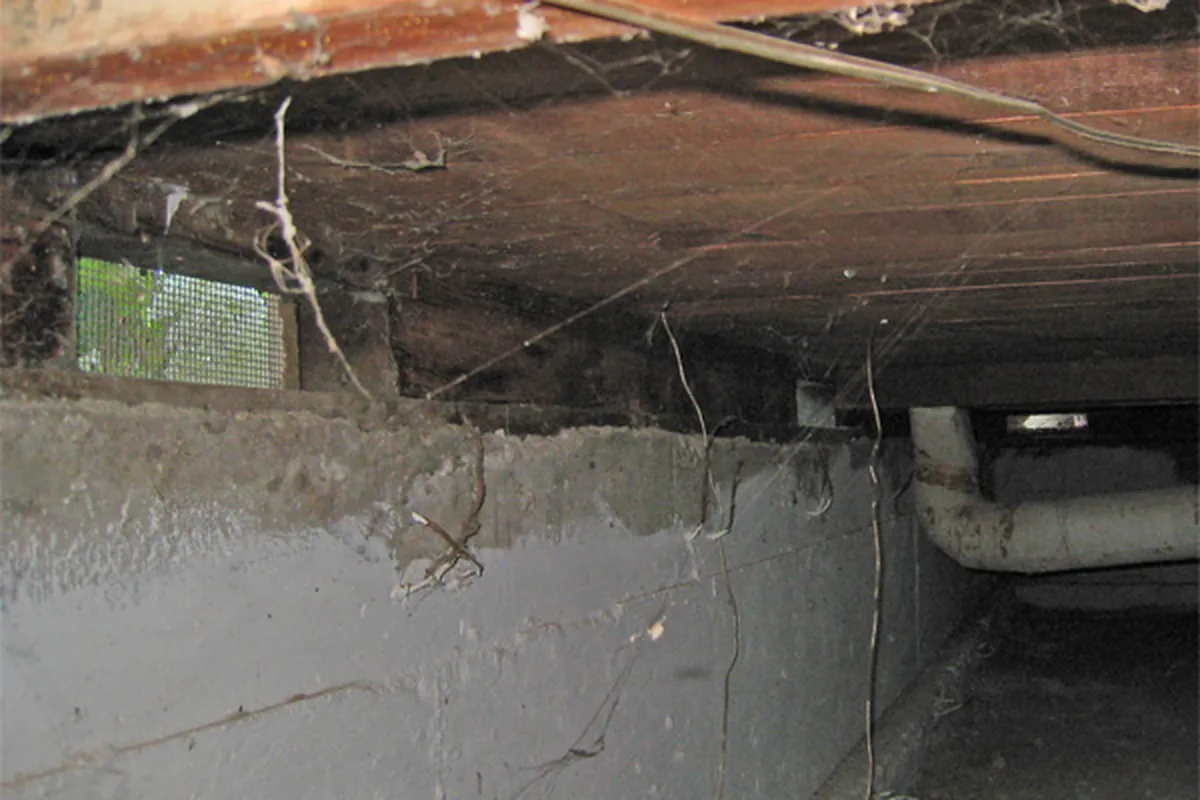
The crawl space under a house is dark, damp and rarely visited — ideal conditions for mold. Moisture rises from the soil, leaks drip from pipes overhead, and poor ventilation traps humid air against the floor joists and subfloor. Our team works in crawl spaces across Los Angeles, removing growth from joists, subfloors and insulation and dealing with the damp that caused it.
If you need the crawl space treated rather than a full removal — for example encapsulation and moisture control after the growth is gone — see our crawl space mold treatment page. For removal, call us at (945) 422-7665 or request a free estimate.
How crawl space mold starts
The main causes are moisture from the ground, plumbing leaks, and poor ventilation. Bare soil in a crawl space releases moisture into the air, which condenses on the cooler joists and subfloor above. A slow leak from a drain or supply line overhead keeps one section wet for months. And vents that are blocked, missing or badly placed leave humid air trapped under the house.
Growth on joists and subfloor often goes unnoticed until a musty smell reaches the rooms above or a floor starts to feel soft. By then the growth may cover a large area. Our team inspects the crawl space with moisture readings in the wood so the scope is based on what is actually there.
- Moisture rising from bare soil under the house
- Plumbing and drain leaks dripping into the crawl space
- Blocked or badly placed crawl space vents
- Condensation on joists and subfloor
- Standing water after rain or a leak
How we remove crawl space mold
We inspect the space first, mapping the growth and taking moisture readings in the joists and subfloor. Then we contain the area as far as the space allows, remove colonized insulation and any wood that cannot be cleaned, and clean the joists and subfloor that can be saved. The space is dried before we finish, and we check the moisture readings again to confirm it.
Crawl space work is cramped and dirty, and it needs protective equipment and contained working practices so spores do not rise into the living space above. Our team is equipped for it and works to keep your home protected while the job is under way.
After removal: moisture control under the house
Removal is the first step; moisture control is what keeps the growth from returning. That can mean fixing leaks, improving ventilation, adding a vapor barrier over bare soil, or improving drainage outside so water does not collect under the house. Our crawl space mold treatment page covers encapsulation and longer-term moisture control in detail.
Homes in Van Nuys, North Hollywood and Northridge often have raised foundations with crawl spaces, and we work in those neighborhoods regularly. For the wider prevention picture, see our humidity and mold prevention guide.
Related pages
Our 5-step mold removal process
- Inspection. We inspect the affected area, look for visible growth and moisture sources, and map how far the problem has spread.
- Testing & lab findings. Where needed, we sample air and surfaces. Lab findings tell us what type of mold is growing and how much of it there is.
- Remediation plan. We explain what we found, what needs to be removed, and what it will take to fix the moisture source — before any work begins.
- Removal & remediation. We contain the work area, remove the mold growth and affected materials, clean the surfaces, and dry the space.
- Follow-up & clearance testing. We return to check the work, re-test where needed, and confirm the area is dry and clear before we call the job done.
Frequently asked questions
What causes mold in a crawl space?
Moisture from bare soil, plumbing leaks overhead, poor ventilation, condensation on joists and subfloor, or standing water after rain. Any of these keeps the wood damp long enough for mold to grow.
How do I know if my crawl space has mold?
Signs include a musty smell in the rooms above, soft or sagging floors, visible growth if you look underneath, and damp or stained joists. An inspection with moisture readings confirms it.
Is crawl space mold removal different from treatment?
Removal is the taking-out of mold growth and damaged material. Treatment covers the methods used after removal — encapsulation, vapor barriers and moisture control — that keep it from returning. We do both, and the two pages explain each side.
Can mold in a crawl space affect the rooms above?
Yes. Spores and musty air rise through gaps around pipes, ducts and floorboards into the living space. That is why containment and protection matter during removal.
Do you remove insulation from crawl spaces?
Yes. Insulation that has been wet and colonized is removed and bagged out. The joists and subfloor beneath it are then cleaned and dried.
How long does crawl space mold removal take?
It depends on the size of the crawl space, how much of the joists and subfloor are affected, and how much insulation must come out. A small area may take a day; a whole crawl space takes longer.
What is a vapor barrier, and do I need one?
A vapor barrier is a heavy plastic sheet laid over bare soil to slow moisture rising into the crawl space. It is often part of the moisture-control work after removal. Our crawl space mold treatment page explains it in more detail.
Will the mold come back after removal?
It can return if the moisture source is not dealt with — a leak, poor ventilation or bare soil. That is why the job includes tracing the damp and recommending moisture-control steps.
How much does crawl space mold removal cost?
It depends on the size of the crawl space, how much insulation must be removed, and how much of the wood needs cleaning. Our mold removal cost guide explains the factors; an inspection gives you a written scope.
How do I book crawl space mold removal?
Call us at (945) 422-7665 or request a free estimate. Tell us what you have noticed — smell, soft floors, visible growth — and we will arrange an inspection.
Need mold help in Los Angeles?
Tell us where the mold is and how large the area looks. We will arrange an inspection and explain the work before it begins.