Does Homeowners Insurance Cover Mold?
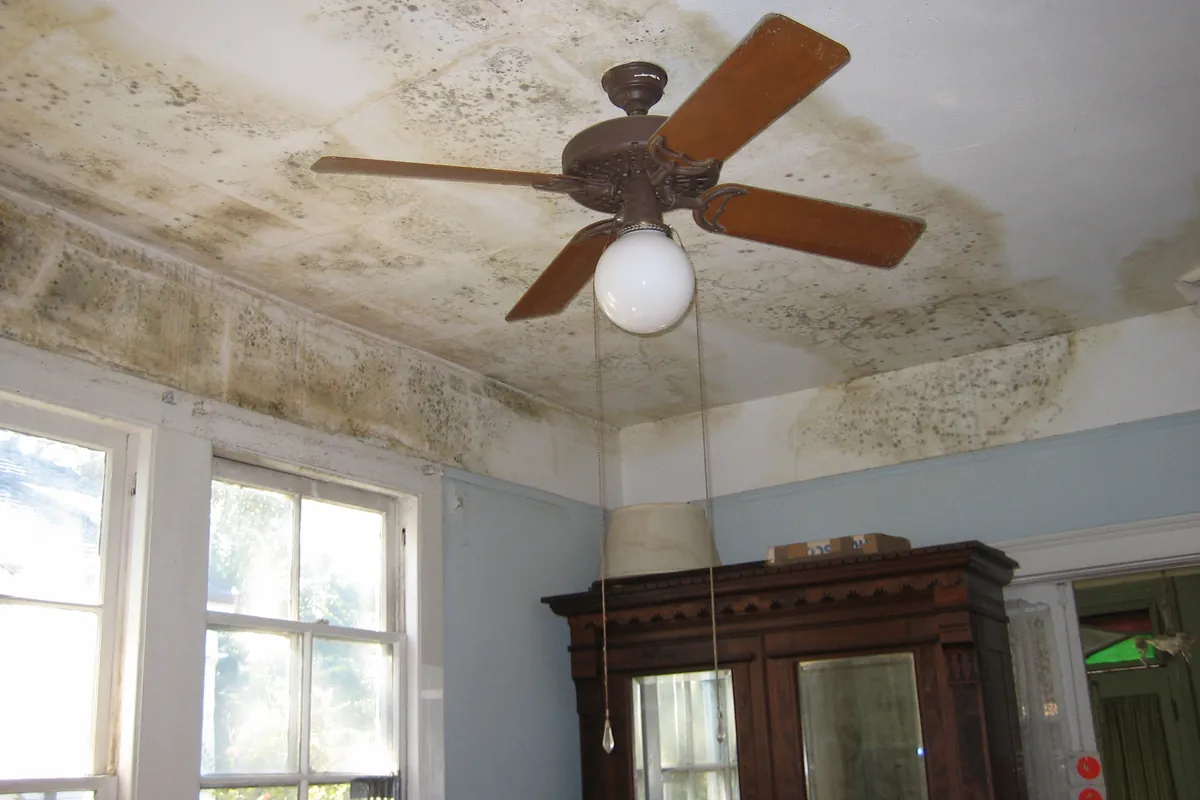
Does homeowners insurance cover mold? Sometimes. Homeowners insurance often covers mold remediation when the mold was caused by a sudden, accidental event that the policy covers, a burst pipe, for example. It usually does not cover mold caused by a problem that went unfixed for months, and it does not cover flood damage, which needs separate flood insurance. Whether your claim is covered depends on what caused the mold, what your policy says, and what you can document.
This post is general information, not insurance advice. It covers the same ground as our insurance guide in shorter form, with the questions homeowners ask most. Your policy is the document that decides your coverage, and your insurer or agent is the person who can confirm it. We do not sell insurance, adjust claims, or advise on coverage.
The Short Answer: Sudden Damage, Yes; Neglect, No
The most common covered scenario is a sudden, accidental water event: a pipe bursts, a water heater fails, a washing-machine hose breaks, or a roof is damaged in a storm. The water damages the home, mold follows, and the policy covers the water damage and, in many cases, the mold remediation that results from it, up to the policy's mold limit, if it has one.
The most common uncovered scenario is a slow leak that went unfixed. A drain that dripped for a year, a roof that leaked through several winters, a shower pan that seeped for months, these are maintenance failures, and standard homeowners policies exclude damage caused by wear, deterioration, and lack of maintenance. The distinction that decides most mold claims is sudden versus long-term, and it is the first question an adjuster asks.
Flood Damage Needs Separate Cover
Standard homeowners policies exclude flood damage. If mold follows a flood, rising water from outside the home, a storm surge, or groundwater, it is not covered under a standard policy. Flood cover comes from a separate flood insurance policy, usually through the National Flood Insurance Program or a private flood insurer.
Water that comes through the roof in a storm is usually a homeowners claim; water that rises from the ground is usually a flood claim. The distinction is about where the water came from, and it is worth understanding before you need it.
Mold Limits: The Cap Most People Miss
Many homeowners policies include a mold limit, a cap on how much the insurer will pay for mold remediation, often in the low thousands of dollars, and sometimes as a sub-limit inside the water-damage cover. Some policies exclude mold entirely unless a separate endorsement is added. The only way to know your limit is to read your policy or ask your agent.
Endorsements that add mold cover, or raise the mold limit, are available on some policies. They cost extra, and they are worth asking about before a claim, not after one. A homeowner who discovers mold and then tries to add cover has the same problem as someone who tries to buy insurance after a crash.
Documentation: What Makes a Claim Succeed
A mold claim succeeds or fails on documentation. The documentation that supports a claim is: photographs of the affected areas before, during, and after the work; the inspection report, with moisture readings and the identified moisture source; our written scope of work and quote; a work summary describing what was removed, cleaned, and dried; and the clearance test results after remediation.
When you request an inspection, tell us the work may be part of an insurance claim, so the documentation is kept from the start. Photographs taken by the homeowner on the day the damage is found also help, especially photographs that show the source of the water. Keep every receipt and every dated note.
What to Do When You Find Mold and Think Insurance May Cover It
First, stop the water if you can do so safely. Second, document what you see: photographs, the date you found it, and any smell or stain you noticed. Third, contact your insurer or agent promptly and ask what the policy covers and what the claim process is. Fourth, arrange an inspection by our team, and tell us the work may be part of a claim.
Do not wait to report, and do not start major work before the insurer has had a chance to inspect, unless the work is needed to prevent further damage, in which case, photograph everything first and keep the receipts. Emergency mitigation to stop further damage is usually expected, and usually covered, but the insurer needs to see what the damage was. Our emergency mold removal page explains what happens when the situation is urgent.
Renters, Landlords, and Condos
Renters insurance usually covers the tenant's belongings damaged by a covered event, but not the building itself, which is the landlord's policy. A tenant who finds mold should notify the landlord in writing first; our California mold laws guide explains the tenant's steps. Landlords should notify their own insurer promptly and keep the same documentation.
Condo owners sit between the two: the association's policy may cover the building shell, while the owner's policy covers the interior. The division is set by the association's documents, and it is worth checking before a claim. In every case, the policy is the document that decides, and the insurer or agent is the person who can confirm it.
Published:
Related pages
Frequently asked questions
Does homeowners insurance cover mold removal?
Sometimes. It often covers mold caused by a sudden, accidental event such as a burst pipe, and usually does not cover mold from a long-term leak or from flooding. Your policy decides, and your insurer or agent can confirm it.
Does insurance cover mold from a roof leak?
It depends on the cause. A roof damaged in a storm is usually a covered event; a roof that leaked through several winters because it was not maintained is usually a maintenance exclusion. The age and condition of the roof matter.
Does insurance cover mold from a burst pipe?
Usually, yes, when the burst was sudden and accidental and was reported promptly. The water damage and, in many cases, the mold remediation that results from it are covered up to the policy's mold limit.
What is a mold limit on a homeowners policy?
A cap on how much the insurer will pay for mold remediation, often in the low thousands of dollars, sometimes as a sub-limit inside the water-damage cover. Some policies exclude mold entirely unless an endorsement is added.
Does flood insurance cover mold after a flood?
Flood insurance covers damage caused by flooding, which can include mold that follows a flood, up to the flood policy's limits. Standard homeowners insurance does not cover flood damage at all.
What if my insurer denies the mold claim?
Ask for the denial in writing and the reason given, then check it against your policy. You can supply more documentation, ask for a re-review, or speak with an insurance attorney. We can supply the inspection report and work records the insurer asks for.
How long do I have to file a mold claim?
Policies set their own deadlines, and they vary. Report the damage promptly: a claim filed weeks after the damage was found is weaker than one filed the same week. Your policy or your agent can confirm the exact deadline.
Does renters insurance cover mold?
Renters insurance usually covers the tenant's belongings damaged by a covered event, but not the building itself, which is the landlord's policy. A tenant who finds mold should notify the landlord in writing first.
Will filing a mold claim raise my premium?
It can. Insurers consider claims history when setting premiums, and a mold claim is a claim like any other. That is a decision to weigh with your agent before filing a small claim.
Where can I read the full insurance guide?
Our insurance guide covers sudden damage, neglect, flood exclusions, mold limits, documentation, and the claims process in full, and it is general information, not insurance advice.
Need mold help in Los Angeles?
Tell us where the mold is and how large the area looks. We will arrange an inspection and explain the work before it begins.