How Long Does Mold Remediation Take?
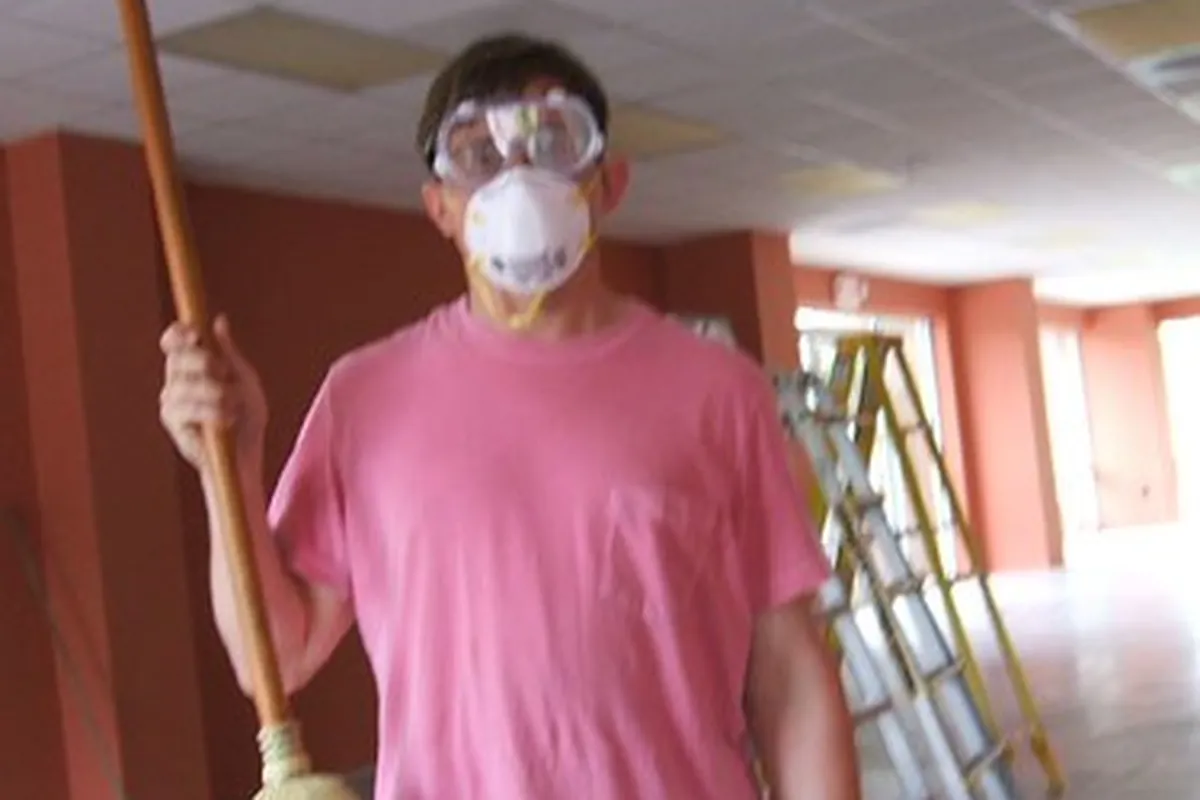
How long does mold remediation take? A small contained job can take a day or two. A multi-room job with drying and clearance testing takes longer, often a week or more. The timeline depends on the size of the affected area, how wet the materials are, whether the moisture source is fixed, and how long the laboratory takes to return clearance results. No honest timeline can be promised before an inspection, because the scope is not known until the property is seen.
This post breaks the timeline down by job size, so you know what to expect at each stage. Our team follows the same five steps on every job: inspection, lab findings, remediation, follow-up, and clearance testing. Our removal vs remediation guide explains what each step covers.
Small Jobs: A Day or Two
A small, contained patch, under about 10 square feet, on a surface that can be cleaned or on a small section of drywall, is usually a one- to two-day job. The inspection and scoping happen first, then containment, removal, cleaning, and drying. If the moisture source is already fixed, a small job can be finished and dried in a day, with a follow-up check the next day.
Small jobs are the ones where the timeline is shortest, and they are also the ones where a quick start matters most: a small patch found early is a small job, and the same patch found months later is a larger one. If you have found a small patch, request a free estimate before it grows.
Moderate Jobs: Several Days to a Week
A moderate job, a room or two, 50 to 200 square feet, or mold inside a wall, usually takes several days to a week. The work itself, containment, removal, cleaning, takes a day or two, and the drying takes longer. Wet framing and subflooring do not dry overnight: fans and dehumidifiers run for days, and our team measures the moisture until it reaches the target readings.
Laboratory results add time too. Air samples analysed by direct microscopy usually take one to three business days, and cultured samples take longer. Clearance testing happens after drying, so the lab time sits at the end of the job, not the beginning.
Large and Whole-House Jobs: One to Three Weeks or More
A large job, multiple rooms, a whole house, or mold in an HVAC system, usually takes one to three weeks or more. The removal itself can take several days, the drying can take a week, and the rebuilding after remediation, drywall, flooring, and paint, is separate work that adds its own time.
The moisture source can extend the timeline too. A roof leak that needs a roofer, a slab leak that needs a plumber, or a drainage problem that needs grading work all have their own schedules, and the remediation cannot be signed off until the source is fixed. Our written scope of work lists each stage, so you can see where the time goes.
What Slows a Job Down
The most common delays are hidden growth found during the work, materials that are wetter than expected, a moisture source that turns out to be larger than the first look suggested, and laboratory turnaround times. A job that starts as one wall and turns out to be three walls takes longer, and a job where the framing is saturated takes longer to dry.
Weather matters in Los Angeles too. Winter rain can slow drying, and a job started during the rainy season may need more drying time than the same job in summer. Our team measures moisture rather than guessing, and we do not close a job until the readings are right, even if that takes an extra day.
What Speeds a Job Up
Acting early is the biggest time-saver: a small job found in a week is faster than a large job found in a year. Having the moisture source identified before work starts helps, because the remediation and the repair can be scheduled together. Keeping the work area clear, and keeping pets and children out of it, helps the team work without interruption.
What does not speed a job up is skipping steps. Skipping containment spreads spores. Skipping drying leaves damp framing. Skipping clearance testing leaves the result unverified. A fast job that has to be redone is slower than a careful job done once.
The Timeline in Summary
Small contained jobs: a day or two. Moderate jobs, a room or two or mold inside a wall: several days to a week. Large and whole-house jobs: one to three weeks or more, plus rebuilding time. Laboratory results add one to three business days for most air samples, and longer for cultured samples.
Those are typical ranges, not promises. The timeline for your job depends on the scope, and the scope is written after our inspection. Request a free estimate or call (945) 422-7665 and we will arrange it.
Published:
Related pages
Frequently asked questions
How long does a small mold job take?
A small, contained patch under about 10 square feet is usually a one- to two-day job, including containment, removal, cleaning, and drying, when the moisture source is already fixed.
How long does drying take after mold remediation?
It depends on how wet the materials are. Surface drying can take a day; wet framing and subflooring can take several days with fans and dehumidifiers running. We measure the moisture until it reaches the target readings.
How long do mold lab results take?
Air samples analysed by direct microscopy usually take one to three business days, and cultured samples take longer. Clearance testing happens after drying, so the lab time sits at the end of the job.
Can mold remediation be done in one day?
A very small job can be, when the area is small, the source is fixed, and the materials dry quickly. Most jobs take longer, because drying and verification cannot be rushed.
Do I have to leave my home during remediation?
Usually not for a small, contained job. For a large job, or for mold in an HVAC system, our team will explain whether any part of the home should be avoided during the work. Ask us when the scope is written.
What happens after remediation is finished?
We return for a follow-up check, confirm the drying and the moisture source, and then clearance testing is done independently. The job is only complete when the results show the area is clear.
Does rebuilding add time to the job?
Yes. Remediation removes the mold and dries the space; rebuilding, drywall, flooring, and paint, is separate work that adds its own time, and it should only start once the area is dry and verified clear.
What if more mold is found during the work?
The scope is updated, and the timeline extends. Hidden growth is common, which is why we measure moisture and open up suspect areas rather than guessing. The updated scope is put in writing before the extra work starts.
How soon should I act after finding mold?
Promptly. Mold can start growing within 24 to 48 hours on a persistently damp surface, and a small job found early is faster and cheaper than a large job found months later.
Can you give me an exact completion date?
Not before an inspection. The timeline depends on the size of the job, how wet the materials are, and the moisture source, and none of that is known until the property is seen. After the inspection, the written scope lists each stage.
Need mold help in Los Angeles?
Tell us where the mold is and how large the area looks. We will arrange an inspection and explain the work before it begins.