Humidity and Mold Prevention in Los Angeles
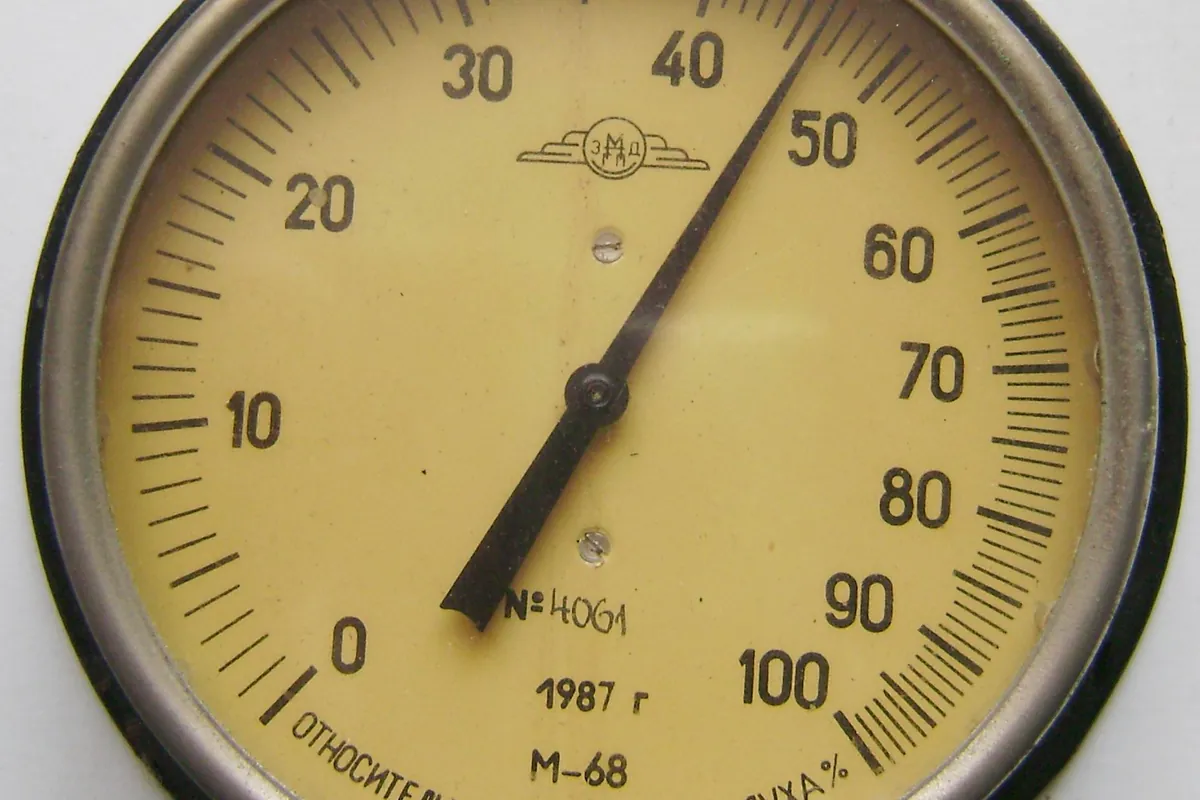
Mold needs moisture, and moisture in a Los Angeles home is usually a humidity problem before it is a leak problem. The U.S. Environmental Protection Agency (EPA) advises keeping indoor relative humidity below 60 percent, ideally between 30 and 50 percent. That single range is the most useful number in mold prevention, and this guide explains what it means, what the bands are, and how Los Angeles weather pushes homes across them.
We inspect, test, remove, and remediate mold across Los Angeles, and much of what we find started as a humidity problem that went unnoticed: a bathroom with no working fan, a coastal home under the marine layer, a Valley home after winter rain. The steps below are practical, and they are the same steps our team recommends after a job is finished, so the mold does not come back.
What the EPA Says About Humidity and Mold
The EPA's guidance is consistent across its publications: keep indoor relative humidity below 60 percent, ideally between 30 and 50 percent. That advice appears in the EPA's A Brief Guide to Mold, Moisture and Your Home, in the EPA Mold Course, Chapter 2, and in the EPA's Care for Your Air guidance. The reason is simple: mold can germinate above 60 percent relative humidity, and on a persistently damp surface it can start growing within 24 to 48 hours.
The EPA also advises drying water-damaged areas within 24 to 48 hours, because that is the window before mold growth begins in earnest. Those two numbers, below 60 percent humidity, and dry within 24 to 48 hours, are the foundation of everything else on this page.
The Three Humidity Bands: Safe, Caution, and Danger
Indoor humidity falls into three bands, and each one means something different for your home. The safe band is 30 to 50 percent relative humidity. In this band, mold cannot establish itself, because the air and the surfaces are too dry for it. Most homes feel comfortable here, and it is the band to aim for year-round.
The caution band is 50 to 60 percent. The risk is elevated: dust mites thrive, condensation can form on cold surfaces such as windows and uninsulated walls, and any damp spot can tip into growth. The danger band is 60 percent and above. In this band, mold can germinate, and on a persistently damp surface it can start growing within 24 to 48 hours. If your home sits in the danger band for days at a time, act: ventilate, dehumidify, and find the damp surface.
Safe: 30-50% Relative Humidity
Mold cannot establish itself. Aim for this band year-round, and measure it with a hygrometer, a small gauge that costs little and tells you the truth about your home.
Caution: 50-60% Relative Humidity
Elevated risk. Dust mites thrive, condensation forms on cold surfaces, and damp spots can tip into growth. Improve ventilation and watch for condensation.
Danger: 60% and Above
Mold can germinate, and on a persistently damp surface it can start growing within 24 to 48 hours. Ventilate, run a dehumidifier, and find and dry the damp surface.
Los Angeles Humidity: What the City Actually Feels Like
Los Angeles averages around 60 percent outdoor relative humidity, which puts the city right on the edge of the danger band before any indoor source is added. The average hides sharp local differences. Coastal areas such as Santa Monica, Venice, and Pacific Palisades get marine-layer and June Gloom mornings above 85 percent relative humidity, and coastal homes can stay damp well into the day.
Inland, the San Fernando Valley can drop to 15 percent relative humidity in Santa Ana winds and exceed 100 degrees Fahrenheit in summer, which dries homes out, but winter rains from November to March, about 15 inches a year, raise indoor humidity again, and a leak that goes unnoticed through the rainy season is the classic Valley mold job. May is the most humid month at around 73 percent, and November is the least humid at around 50 percent. The pattern to remember is that Los Angeles is not uniformly dry: the coast is damp in the morning, the valleys are damp in winter, and every part of the city has a season when humidity climbs.
Practical Steps: Keeping Your Home in the Safe Band
The steps are ordinary, and they work. Ventilate bathrooms and kitchens: run the exhaust fan during and for 30 minutes after a shower or cooking, and make sure the fan actually vents outside. Fix leaks promptly: a drip under a sink, a stain on a ceiling, a musty smell, all of them deserve attention the week they appear, not the month after. Use a dehumidifier in damp rooms, and empty it or drain it regularly.
Watch the surfaces that condense: windows, uninsulated exterior walls, and cold-water pipes. Insulate or ventilate them, and wipe condensation when it appears. Keep furniture a few inches from exterior walls so air can circulate, and do not store cardboard boxes or fabrics against a damp wall. Measure with a hygrometer, and if the reading sits above 60 percent for days, find the source of the moisture before it becomes a mold job. Our mold inspection page explains what our team measures on a visit.
After Water Damage: The First 48 Hours
Water damage is a humidity emergency. The EPA advises drying water-damaged areas within 24 to 48 hours, and the reason is that mold can start growing in that window on a persistently damp surface. Remove standing water, run fans and a dehumidifier, open the affected area to air, and remove wet porous materials that cannot be dried, such as saturated carpet padding and drywall that has soaked through.
If the area is still damp after two days, or if the water came from sewage or flooding, call us. Our emergency mold removal and water-damage mold removal pages explain what happens next, and our blog post on how long mold remediation takes explains the drying timeline.
Seasonal Checklist for Los Angeles Homes
In winter, from November to March, watch for roof leaks after rain, check the attic for damp insulation, and run the bathroom fan through the rainy season. In late spring, through May, the most humid month, watch coastal damp and run a dehumidifier in rooms that stay above 60 percent. In summer, watch air-conditioning condensation: a blocked condensate drain can wet a wall or a ceiling for weeks, and the Santa Ana winds that dry the Valley out can also drive dust into a damp HVAC system.
In autumn, before the rains, clear gutters and check the roof, the flashing, and the grading around the foundation. A home that is checked once a season is a home that rarely surprises its owner, and a small fix in October is cheaper than a remediation in February.
Los Angeles indoor humidity: when mold can grow
Mold needs moisture. Indoor relative humidity (RH) decides whether mold can establish on a surface.
Seasonal tips for Los Angeles
- Winter: target 30–40% indoors.
- Summer: stay below 50%.
- Coastal marine layer mornings can exceed 85% outdoors.
- Inland valleys can drop to 15% in Santa Ana winds.
- Winter rains Nov–Mar raise indoor humidity.
Sources: U.S. EPA — A Brief Guide to Mold, Moisture and Your Home; EPA Mold Course, Chapter 2 (keep indoor relative humidity below 60%, ideally 30–50%); EPA Care for Your Air. Outdoor LA humidity figures: National Weather Service / Weather.com Los Angeles averages (~60% RH).
Related pages
Our 5-step mold removal process
- Inspection. We inspect the affected area, look for visible growth and moisture sources, and map how far the problem has spread.
- Testing & lab findings. Where needed, we sample air and surfaces. Lab findings tell us what type of mold is growing and how much of it there is.
- Remediation plan. We explain what we found, what needs to be removed, and what it will take to fix the moisture source — before any work begins.
- Removal & remediation. We contain the work area, remove the mold growth and affected materials, clean the surfaces, and dry the space.
- Follow-up & clearance testing. We return to check the work, re-test where needed, and confirm the area is dry and clear before we call the job done.
Frequently asked questions
What indoor humidity level prevents mold?
The EPA advises keeping indoor relative humidity below 60 percent, ideally between 30 and 50 percent. Above 60 percent, mold can germinate, and on a persistently damp surface it can start growing within 24 to 48 hours.
How do I measure humidity in my home?
Use a hygrometer, a small gauge that measures relative humidity. Place it in the room you are worried about, such as a bathroom or a basement, and check it morning and evening for a few days.
What is the most humid month in Los Angeles?
May is the most humid month, at around 73 percent relative humidity, and November is the least humid, at around 50 percent. Los Angeles averages around 60 percent outdoor humidity across the year.
Why is my coastal home damp in the morning?
Coastal areas such as Santa Monica, Venice, and Pacific Palisades get marine-layer and June Gloom mornings above 85 percent relative humidity. Ventilate once the layer lifts, and run a dehumidifier in rooms that stay damp.
Does a dehumidifier prevent mold?
It helps, by keeping indoor humidity in the safe band of 30 to 50 percent. It does not fix a leak, and it does not remove mold that is already growing. Fix the moisture source first, then use the dehumidifier to keep the room dry.
How fast can mold grow after water damage?
On a persistently damp surface, mold can start growing within 24 to 48 hours. That is why the EPA advises drying water-damaged areas within 24 to 48 hours.
Should I run the bathroom fan after every shower?
Yes, during the shower and for about 30 minutes after. Make sure the fan vents outside, not into the attic: a fan that vents into the attic moves the moisture problem, it does not solve it.
What humidity level is dangerous for mold?
60 percent relative humidity and above is the danger band: mold can germinate there. The caution band is 50 to 60 percent, where the risk is elevated and condensation forms on cold surfaces.
Can Santa Ana winds cause mold?
They dry homes out, which helps, but they can also drive dust into a damp HVAC system and they follow the dry season, so a leak that starts after the winds is easy to miss. Check the HVAC drain and the attic after the wind season.
When should I call a professional about humidity?
Call us if the humidity stays above 60 percent for days despite ventilation and dehumidification, if you see condensation that will not clear, if there is a musty smell, or if a damp surface has been wet for more than 48 hours. Our inspection will find the source.
Need mold help in Los Angeles?
Tell us where the mold is and how large the area looks. We will arrange an inspection and explain the work before it begins.