Is Black Mold Dangerous?
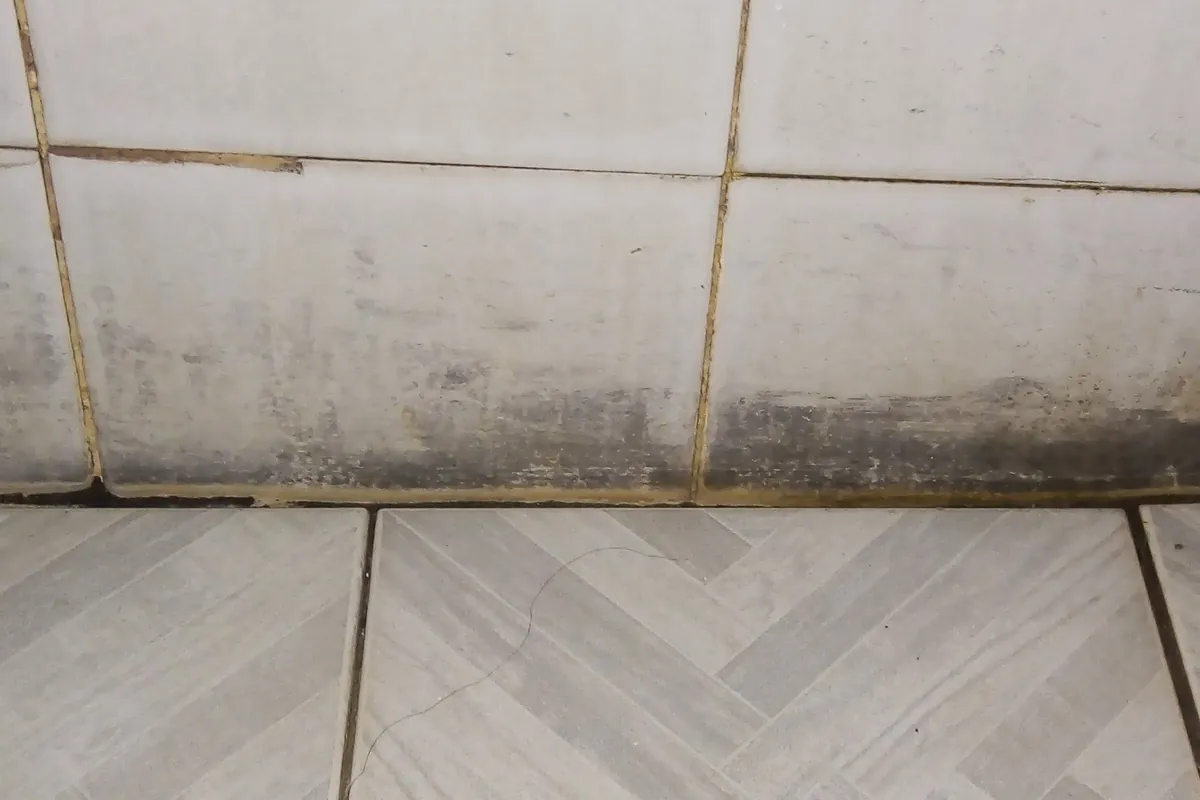
Is black mold dangerous? Mold of any kind should be treated seriously and handled properly, and black mold is no exception. Health agencies including the U.S. Environmental Protection Agency (EPA) and the Centers for Disease Control and Prevention (CDC) say that exposure to mold can cause health effects, particularly for people with allergies, asthma, or weakened immune systems, and that the sensible response is to remove the mold and fix the moisture that caused it, not to panic and not to ignore it.
This post is general information, never medical advice. It summarises what the EPA and CDC say, who is most at risk, and what to do when you find black mold. Health questions belong to a doctor, not to a mold website, and if you have symptoms you are worried about, speak with a doctor. Our team can inspect the problem and remove it; we cannot diagnose or treat health effects.
What Health Agencies Say
The EPA states that molds can cause health effects, and that mold should be removed and the moisture problem fixed. The CDC states that exposure to damp and moldy environments may cause a variety of health effects, or none at all, and that some people are more sensitive to mold than others. Neither agency says that every exposure causes illness, and neither agency says that mold is harmless.
The honest summary is that mold is a health concern, not a certainty of illness. The response is the same in either case: find the moisture source, remove the mold properly, dry the space, and verify the result. That is what our team does on every job, and our black mold removal page explains the process.
Who Is Most at Risk
Some people are more sensitive to mold than others. People with allergies or asthma can have reactions to mold exposure, and people with weakened immune systems, including people undergoing certain medical treatments, are at higher risk. Young children, older adults, and pregnant people are also advised to avoid mold exposure where possible.
If someone in your home is in one of those groups, say so when you contact us, so the work can be planned with that in mind. Avoid the affected area where possible, especially if the patch is large or in an air conditioning system, and do not disturb the mold yourself.
What the Symptoms Can Look Like
Health agencies describe the effects of mold exposure in general terms: nasal congestion, throat irritation, coughing, wheezing, eye irritation, and skin irritation are among the effects reported, particularly in people who are sensitive to mold. People with asthma can have asthma symptoms triggered by mold exposure. These are general descriptions, not a diagnosis, and they overlap with many other causes.
We do not diagnose health effects, and no mold website can. If you have symptoms that worry you, speak with a doctor, and tell the doctor about the mold exposure. What we can do is document the mold, identify the moisture source, and remove the problem.
What Black Mold Is, and What It Is Not
Black mold is a common name for Stachybotrys chartarum, a dark-coloured mold that grows on very wet cellulose materials such as drywall and wood. It is not the only dark-coloured mold: Aspergillus, Cladosporium, Chaetomium, and Alternaria can also be dark. Colour alone cannot identify a species, and only laboratory testing of a sample can confirm whether Stachybotrys is present. Our post on how to tell if mold is black mold explains why.
The species does not change the basic work. Whether the mold is Stachybotrys or another species, the moisture source needs to be fixed, the moldy material needs to be cleaned or removed, and the area needs to be dried completely. The species matters for a decision such as a dispute or a home purchase, not for whether the work is needed.
What to Do When You Find Black Mold
Do not disturb it. Do not dry-brush, vacuum, or tear open a wall, because that can spread spores into the air. Avoid the affected area where possible, especially if someone in the home is in a higher-risk group. Note where it is, how large it looks, and whether there is a leak or a musty smell.
Then call us. Request a free estimate or call (945) 422-7665. Our inspector will look at the area, measure the moisture, and tell you whether the job needs professional remediation. If the patch is larger than about 10 square feet, if it is on drywall, wood, carpet, or insulation, or if it is in an HVAC system, remediation is the right step.
What Not to Do
Do not spray it and call the job done. A spray can kill surface growth, but it cannot dry a wet wall, reach growth inside drywall, or fix the leak. Do not paint over it: paint covers the stain and leaves the mold growing underneath. Do not ignore it because nobody feels ill: the absence of symptoms does not mean the mold is harmless, and the moisture problem behind it will get worse.
And do not try to identify the species yourself. Home test kits cannot reliably identify a mold species, and they cannot measure how much mold is present in the air. If identification matters, for a dispute, a sale, or a claim, our mold testing team can take proper samples and send them to a laboratory.
Published:
Related pages
Frequently asked questions
Is black mold dangerous?
Health agencies including the EPA and CDC say that exposure to mold can cause health effects, particularly for people with allergies, asthma, or weakened immune systems, and that mold should be removed and the moisture problem fixed. This is general information, not medical advice.
What are the symptoms of black mold exposure?
Health agencies describe them in general terms: nasal congestion, throat irritation, coughing, wheezing, eye irritation, and skin irritation, particularly in people sensitive to mold. These overlap with many other causes, so speak with a doctor if you have symptoms.
Should I leave my home if I find black mold?
That is a decision to make with a doctor, not with a mold website. Avoid the affected area where possible, especially if someone in the home is in a higher-risk group, and call us to inspect the problem promptly.
Is all black-coloured mold dangerous?
Many molds are dark, and colour alone cannot identify a species. Any mold growth should be treated seriously and handled properly, whatever its colour, and the moisture source should be fixed.
Can black mold make asthma worse?
Health agencies say that people with asthma can have asthma symptoms triggered by mold exposure. If someone in your home has asthma, avoid the affected area and speak with a doctor.
How do I know if the mold in my home is black mold?
You cannot tell by looking. Only laboratory testing of a sample can confirm whether Stachybotrys chartarum is present. Our post on how to tell if mold is black mold explains the testing process.
What should I do first if I find black mold?
Do not disturb it, avoid the area where possible, note where it is and how large it looks, and call us. If water is actively entering the home, stop it if you can do so safely.
Can I clean black mold myself?
A small patch of surface mold on a hard material can sometimes be cleaned, but anything larger than about 10 square feet, anything on drywall, wood, carpet, or insulation, or anything in an HVAC system needs professional remediation.
Does black mold always mean I have to move out?
No. Most black mold jobs are handled with the home occupied, with the work area contained. Whether anyone should avoid part of the home during the work is something our team will explain when the scope is written.
Who is most at risk from black mold?
People with allergies or asthma, people with weakened immune systems, young children, older adults, and pregnant people are advised to avoid mold exposure where possible. Tell us if someone in your home is in one of those groups.
Need mold help in Los Angeles?
Tell us where the mold is and how large the area looks. We will arrange an inspection and explain the work before it begins.