
Common Types of Mold Found in Los Angeles Homes
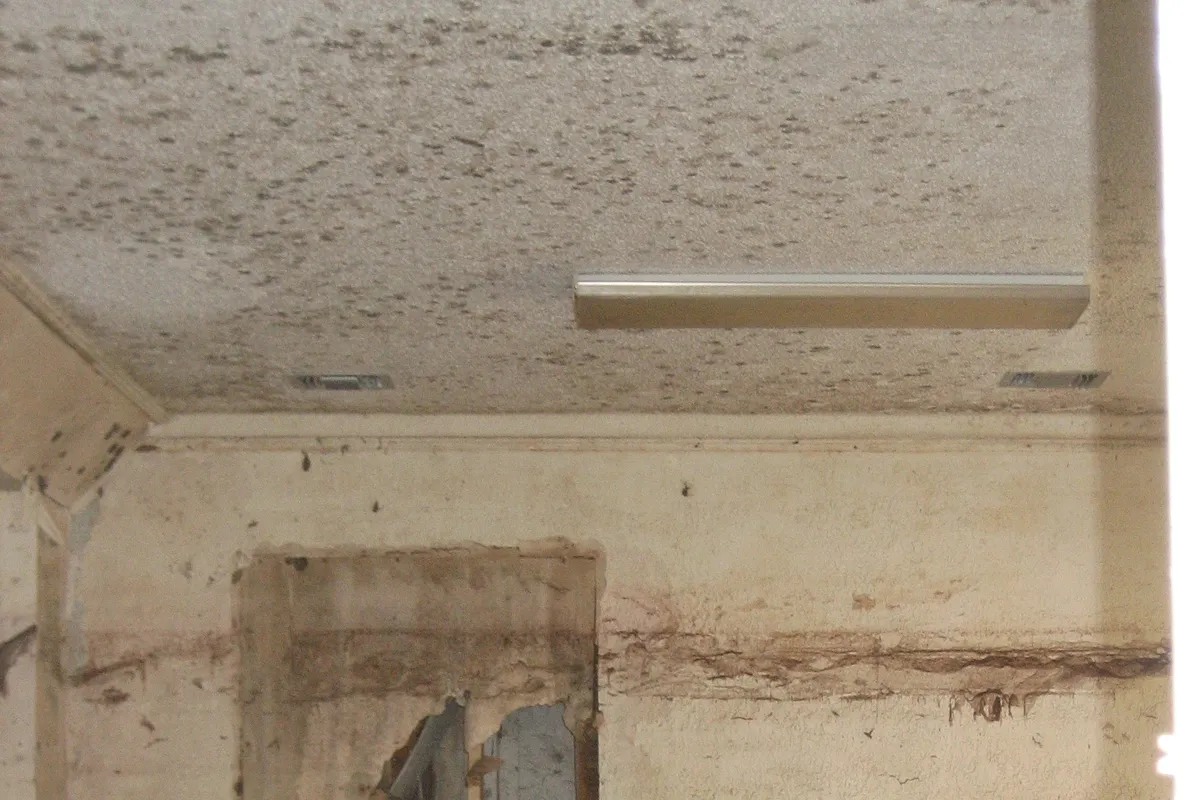
Every Los Angeles home with a damp wall or a slow leak can grow mold, but not every mold is the same. The most common types found indoors — Cladosporium, Aspergillus, Penicillium, Chaetomium and Stachybotrys — grow in different places, on different materials, and after different amounts of damp. Knowing which type is present can tell you how long a material has been wet and how far the problem may have spread, which is why this guide explains each one in plain language.
One limit applies to all of them: you cannot identify a mold species by looking at it. Color, texture and smell can suggest a type, but they cannot confirm one. Only laboratory testing of an air or surface sample can identify the species present, and any page or post that claims otherwise is guessing. Our mold testing page explains how sampling works, and our inspection page explains what an inspection can and cannot tell you.
This guide is general information, not medical advice. We do not advise on health effects — that is a question for your doctor, and public health authorities publish general information on mold and health. What we explain here is the building side: where each type grows, what it tells you about the damp behind it, and what to do next. If you have found mold in your home, call (945) 422-7665 or request an estimate.
Why Mold Types Matter — and Why They Do Not Change the Work
Mold types matter because they are clues about the moisture. A mold that needs a material to stay very wet for a long time tells you the leak has been there for weeks or months, not days. A mold that grows on condensation tells you the room is humid and poorly ventilated. Those clues help an inspector trace the water, which is the part of the job that stops the mold from returning.
What the type does not change is the work itself. Every mold in a home is removed the same way: contain the area, remove the affected porous material, clean what can be saved, dry the structure, and fix the moisture source. No species needs a different containment method, and no species can be left in place because it is a common one. The removal decision depends on where the mold is, how much there is and what material it is growing on — not on its name.
That is why testing is useful for identification and for clearance checks, but it is not always needed before removal. Visible growth with a known moisture source can often go straight to removal, while hidden growth, a landlord or insurer dispute, or a clearance check after remediation are the cases where lab results add real value.
Chaetomium: The Water-Damage Mold
Chaetomium is one of the molds most closely associated with serious water damage. It grows on very wet cellulose materials — drywall, paper, wood and some insulation — and it usually appears after a material has stayed wet for a long time, following a slow leak, a roof leak or flooding. It is often described as cottony or woolly in texture, and its color can range from white when young to grey, brown or black as it matures.
Because Chaetomium needs prolonged damp, finding it is a useful clue: the material has been wet for weeks, not days, and the moisture source is likely to be a leak that has gone unnoticed rather than a one-off spill. It is commonly found in the same places as Stachybotrys — inside wall cavities, under flooring, in attics after roof leaks and in crawl spaces — and the two often grow together on the same wet drywall.
Chaetomium cannot be identified by sight alone. Its appearance overlaps with other dark molds, and only a laboratory can confirm it from a sample. If an inspector suspects Chaetomium, the reason is usually the history — a long-term leak and very wet cellulose material — and the next step is the same as for any mold in that situation: inspection, moisture mapping, contained removal and drying.
Stachybotrys: The Mold Usually Meant by Black Mold
Stachybotrys chartarum is the species usually meant by black mold. It is a dark green or black mold that grows on very wet cellulose materials such as drywall, wood, paper and some insulation, and it needs a high level of moisture sustained over time — typically after a slow leak, a roof leak or flooding. When wet it can look slimy; when dry it can look powdery.
Like Chaetomium, Stachybotrys is a sign that a material has stayed wet for a long time. A patch of it on a wall usually means the drywall behind the paint has been damp for weeks, and the affected material generally has to be removed rather than cleaned, because the growth is inside the material rather than on its surface.
Stachybotrys is not the only dark mold, and it is not the only mold that needs professional removal. Aspergillus, Cladosporium, Chaetomium and Alternaria can all be dark, and they grow in many of the same places. Color alone never identifies a species — only laboratory testing of a sample can confirm whether Stachybotrys is present. Our post on how to tell if mold is black mold and our black mold removal page explain both points in detail.
Other Common Household Molds: Aspergillus, Penicillium, Cladosporium
Aspergillus and Penicillium are among the most common molds found indoors. They grow on damp surfaces of many kinds — walls, ceilings, food, fabrics and HVAC components — and they do not need a material to stay as wet for as long as Stachybotrys or Chaetomium do. They often appear as green, blue-green or grey powdery growth, and they are common in bathrooms, kitchens and air conditioning systems where humidity is high.
Cladosporium is also widespread indoors and outdoors. It grows on damp wood, painted surfaces, fabrics and window frames, and it is often the mold found on cold exterior walls where condensation forms. It can be olive-green, brown or black, and it is one of the molds most often found in air samples — including outdoor air, which is why indoor results are always compared with an outdoor control sample.
These three are common, but common does not mean harmless to a building. Widespread growth of any of them still means a moisture problem, still damages the material it grows on, and still needs the same response: find the moisture, remove the affected material, clean what can be saved, dry the structure, and fix the source. The species name does not make a damp wall acceptable.
Why Only Lab Testing Identifies a Mold Species
Visual inspection can find mold, map the moisture behind it and show how far it has spread — but it cannot name the species. Many molds look alike: dark growth on drywall could be Stachybotrys, Chaetomium, Aspergillus, Cladosporium or Alternaria, and the same species can look different at different ages, on different materials and at different moisture levels. A photo, a color chart or a smell cannot settle the question.
Laboratory testing is the only reliable identification method. Air sampling measures spores in the air of a room and compares them with an outdoor control sample taken at the same time. Surface sampling — a tape lift or swab — identifies the mold growing on a specific surface. The lab reports the types found and their concentrations, and our team explains the results in plain language: what was found, what it means for the home, and what to do next.
Testing is most useful when the growth is hidden, when you need lab results for a landlord, insurer or buyer, when you want to know the type before removal, or when clearance testing is needed after remediation. It is less useful when visible growth with an obvious moisture source is already waiting to be removed — in that case an inspection and removal are the faster route. Our mold testing page explains the sampling methods, and our mold inspection page explains how an inspection and testing fit together.
Related pages — Chaetomium Mold
Our 5-step mold removal process — Chaetomium Mold
- Inspection. We inspect the affected area, look for visible growth and moisture sources, and map how far the problem has spread.
- Testing & lab findings. Where needed, we sample air and surfaces. Lab findings tell us what type of mold is growing and how much of it there is.
- Remediation plan. We explain what we found, what needs to be removed, and what it will take to fix the moisture source — before any work begins.
- Removal & remediation. We contain the work area, remove the mold growth and affected materials, clean the surfaces, and dry the space.
- Follow-up & clearance testing. We return to check the work, re-test where needed, and confirm the area is dry and clear before we call the job done.
Frequently asked questions — Chaetomium Mold
What is Chaetomium mold?
Chaetomium is a mold that grows on very wet cellulose materials such as drywall, paper and wood, usually after a material has stayed wet for a long time following a leak or flood. It is often cottony in texture and can be white, grey, brown or black depending on its age.
Where does Chaetomium grow?
On very wet drywall, paper, wood and some insulation — most often inside wall cavities, under flooring, in attics after roof leaks and in crawl spaces. It needs prolonged damp, so it is a sign of a long-term leak rather than a one-off spill.
Is Chaetomium black mold?
No. Chaetomium can be dark in color, but black mold usually means Stachybotrys chartarum. The two often grow together on the same wet material, and only laboratory testing can confirm which species is present — color alone cannot.
What is Stachybotrys?
Stachybotrys chartarum is the species usually meant by black mold. It is a dark green or black mold that grows on very wet cellulose materials such as drywall and wood after a long period of damp, and the affected material generally has to be removed rather than cleaned.
How can you tell Chaetomium from black mold?
You cannot tell them apart by sight. Both can be dark, both grow on the same wet materials, and both often grow together. Only laboratory testing of an air or surface sample can identify which species is present.
Do I need to know the mold type before removal?
Not always. Visible growth with a known moisture source can often go straight to removal, because the work is the same for every type. Testing is most useful when growth is hidden, when lab results are needed for a landlord or insurer, or for clearance testing after remediation.
What does mold testing involve?
Air samples measure spores in a room and are compared with an outdoor control sample, and surface samples such as tape lifts or swabs identify the mold on a specific surface. Samples go to a laboratory, which reports the types found and their concentrations.
Can mold be identified by color alone?
No. Many molds can be dark, including Stachybotrys, Chaetomium, Aspergillus and Cladosporium, and the same species can look different at different ages and on different materials. Only laboratory testing of a sample can confirm a species.
What is the most common mold in Los Angeles homes?
There is no verified citywide count of mold types in Los Angeles homes. In general, Aspergillus, Penicillium and Cladosporium are among the most common molds found indoors, while Stachybotrys and Chaetomium appear where materials have stayed very wet for a long time.
When should I get mold testing?
When growth is hidden and you need evidence of what is in the air, when you need lab results for a landlord, insurer or buyer, when you want to know the type before removal, or when clearance testing is needed after remediation. Call (945) 422-7665 or request an estimate to arrange it.
Need mold help — Chaetomium Mold?
Tell us where the mold is and how large the area looks. We will arrange an inspection and explain the work before it begins.