
Severe Mold Infestation Removal in Los Angeles
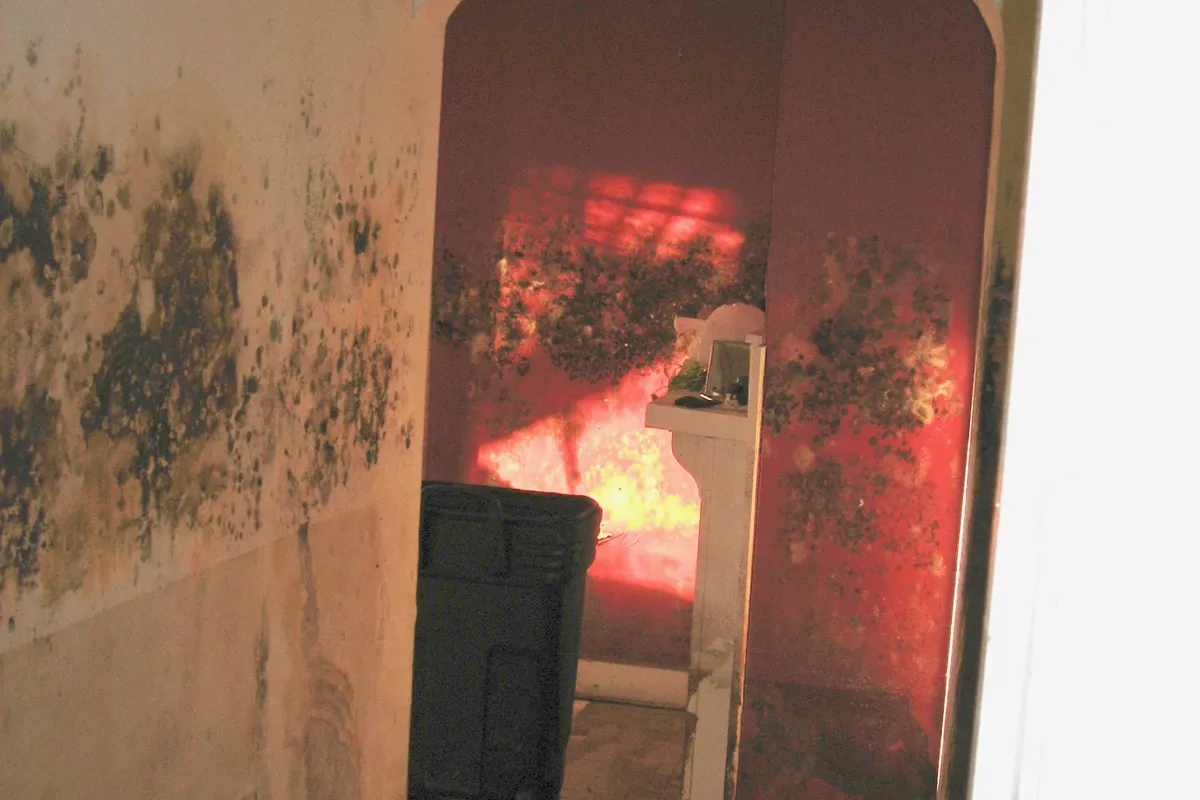
A severe mold infestation is growth that has spread beyond a single patch: across several rooms or a whole floor, inside wall cavities and framing, or through a property after flooding or a leak left for weeks. It needs the same careful process as any mold job — assessment, containment, removal, drying and verification — carried out at a larger scale, room by room.
If you are facing extensive growth, call us at (945) 422-7665 or request a free estimate. Tell us how many rooms are affected and whether there has been a leak or flood, and we will arrange an inspection and a written scope of work.
When mold counts as severe
Most mold jobs are a patch on a wall or a ceiling. A severe infestation is different in scale, not in kind: the growth has had time and moisture to spread, so it covers more area and reaches materials that a small job never touches. The line is practical — when the affected material cannot be cleaned and has to be removed, and when the work covers more than one room, the job is severe.
A long-term leak behind a wall, a slab leak, flooding, or a roof leak through a rainy winter can all feed growth at this scale. In each case the moisture source has been running for weeks or longer, and finding and fixing it is as much a part of the job as removing the mold.
- Growth across several rooms or a whole floor
- Mold inside wall cavities, framing or subfloors
- Growth after flooding or a leak left for weeks
- A musty smell through the whole property
- Materials that cannot be cleaned and must be removed
How we handle a severe infestation
We start with a full assessment: inspection of every affected room, moisture readings across walls, floors and framing, and sampling where the type or extent of the growth needs documenting. The written scope of work sets out what will be removed, what can be cleaned and kept, and what it will take to fix the moisture source.
The work area is contained with sheeting and kept under filtered, negative-pressure air, so spores do not spread to clean rooms while we work. Affected materials — usually colonized drywall, insulation and flooring — are removed and bagged inside containment. Surfaces that can be saved are cleaned, and the structure is dried with fans and dehumidifiers to measured moisture readings before anything is rebuilt.
Safety and health, kept honest
We are mold professionals, not doctors, and we do not diagnose health effects or give medical advice. General information about mold and health is available from public health authorities, and questions about symptoms or health concerns should go to your doctor.
What we can do is explain the building side: where the growth is, what moisture is feeding it, and what removal work is needed. Until the work is done, do not disturb the growth — do not tear open walls or dry-brush moldy surfaces — and keep out of rooms where the growth is extensive.
What happens after removal
After removal and drying, we return to check the work, look for any missed growth, and confirm the moisture source is still fixed. Where clearance testing is needed, it is done independently of the removal team, and the job is only complete when the area is dry and clear.
Only then should repairs go back up. Rebuilding over damp framing or a leak that is still running is how a severe infestation comes back. Our humidity and mold prevention guide explains the steps that keep a home dry once the work is finished.
Related pages
Our 5-step mold removal process
- Inspection. We inspect the affected area, look for visible growth and moisture sources, and map how far the problem has spread.
- Testing & lab findings. Where needed, we sample air and surfaces. Lab findings tell us what type of mold is growing and how much of it there is.
- Remediation plan. We explain what we found, what needs to be removed, and what it will take to fix the moisture source — before any work begins.
- Removal & remediation. We contain the work area, remove the mold growth and affected materials, clean the surfaces, and dry the space.
- Follow-up & clearance testing. We return to check the work, re-test where needed, and confirm the area is dry and clear before we call the job done.
Frequently asked questions
What counts as a severe mold infestation?
Growth that covers several rooms or a whole floor, mold inside wall cavities or framing, or growth after flooding or a leak left for weeks. When the affected material cannot be cleaned, it has to be removed — that is what makes the job severe rather than routine.
Can a severe mold infestation be removed, or does the house need gutting?
It depends on how much of the property is affected. A whole-property infestation usually needs containment, removal of affected materials, cleaning, drying and verification — the same steps as a smaller job, carried out room by room. We do not gut a home unless the affected materials require it.
How long does severe mold infestation removal take?
It depends on the size of the job and how wet the structure is. A severe job takes longer than a small contained job, because drying and verification take time. Your inspector will explain the plan and the timeline before work begins.
Do I need to leave my home during the work?
It depends on how much of the home is affected and how the work area is contained. For a severe job, your inspector will explain before work begins whether any rooms should not be used while the work is under way.
Will the mold come back after removal?
It can, on a job this size especially, if the moisture problem is left in place. Remediation takes out the mold that is there, but only fixing the leak, the condensation or the drainage problem stops it coming back. That is why every job we do ends with the source fixed and the area dried to measured readings.
How much does severe mold infestation removal cost?
It depends on the size of the affected area, the materials involved, and how long drying takes. Only an inspection produces a quote for your job. Our mold removal cost guide lists published market ranges with attribution to the named sources that published them.
Does a severe infestation need mold testing?
Testing is used when the type or extent of the growth needs documenting — for example, when growth is hidden, when a dispute or a home sale is involved, or when independent clearance is wanted. Your inspector will explain whether sampling is needed and why before you agree to it.
What happens to my furniture and belongings?
Furniture and belongings in the work area are usually moved out, cleaned where they can be saved, and kept out until the area is dry and clear. Porous items that have absorbed mold and moisture often cannot be cleaned and have to be thrown away. Your inspector will explain what can be saved before work begins.
Can I clean a severe mold infestation myself?
We do not recommend it. Disturbing extensive mold without containment and protective equipment releases large amounts of spores into the air, and growth on drywall and framing cannot be cleaned from the surface — the material has to be removed.
How do I book severe mold infestation removal?
Call us at (945) 422-7665 or request a free estimate. Tell us how many rooms are affected and whether there has been a leak or flood, and we will arrange an inspection.
Need mold help in Los Angeles?
Tell us where the mold is and how large the area looks. We will arrange an inspection and explain the work before it begins.