
Does Mold Have a Smell — and How to Find Hidden Mold
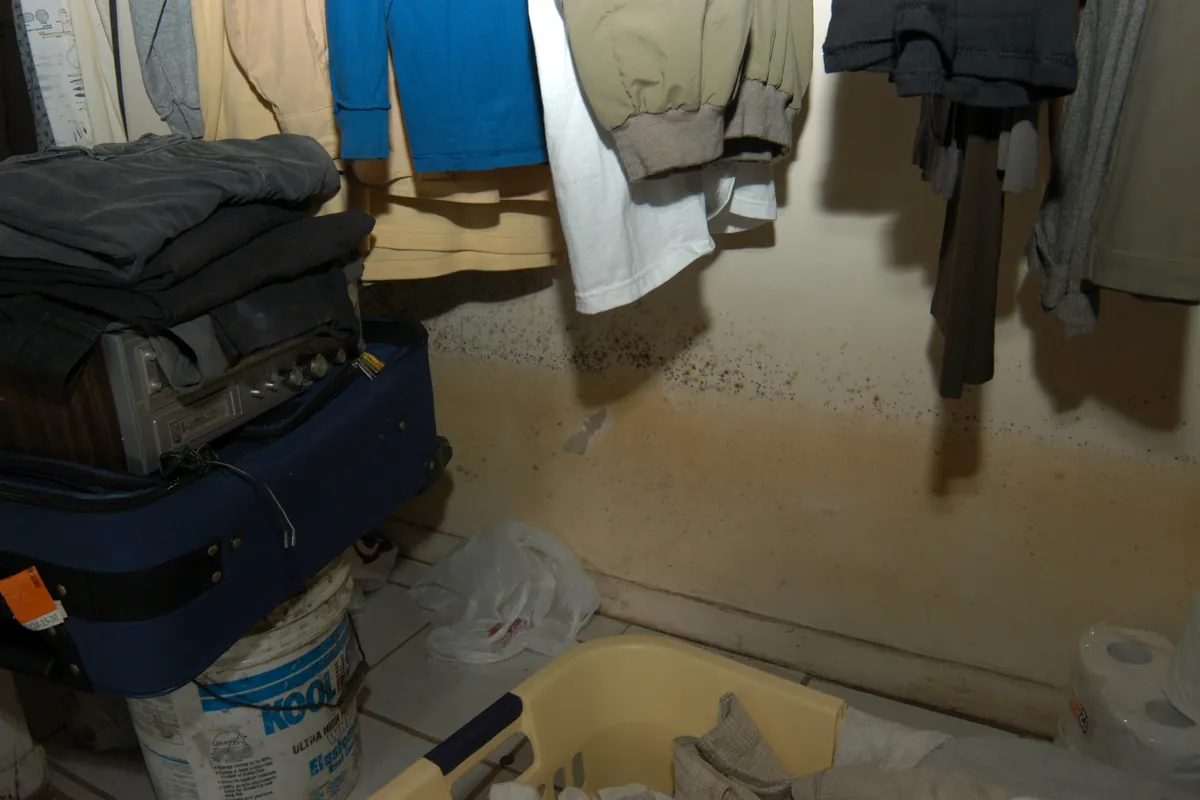
Does mold have a smell? Yes — mold often produces a musty, earthy odor that people describe as damp, stale or like wet cardboard. The smell comes from the gases mold releases as it grows, and it is often the first sign of a problem, appearing before any mold is visible. A musty smell that does not go away after cleaning and airing a room is worth taking seriously, because it can mean mold is growing somewhere you cannot see.
This post covers the three questions that usually follow that smell: what mold smells like, how to find mold in a house when you cannot see it, and whether you can get mold out of clothes. All three have honest, limited answers — a smell can point to mold but cannot confirm it, clothes can sometimes be saved and sometimes cannot, and finding hidden mold takes moisture readings and inspection, not guesswork.
Our team inspects, tests, removes and remediates mold across Los Angeles. If a musty smell persists in your home, call (945) 422-7665 or request an estimate and describe where the smell is strongest — that detail alone often tells our inspector where to start.
What Does Mold Smell Like?
Mold smells musty and earthy. People describe it in different ways — a damp basement, an old book, wet cardboard, a closet that has been shut for months — but the common thread is a stale, damp odor that does not smell like ordinary dust or cleaning products. The smell is strongest in enclosed spaces: inside a closet, under a sink, behind a wardrobe pushed against a wall, or in a room that has been closed up.
The smell comes from microbial volatile organic compounds, the gases mold releases as it grows and breaks down material. Different molds release different compounds, so the smell can vary, but a persistent musty odor in one part of a home is a consistent warning sign. It is worth noting that the smell can be present even when the mold itself is hidden behind drywall or under flooring, because the gases pass through small gaps that spores and visible growth cannot.
A smell on its own does not prove mold is present, and it does not identify the type of mold. Dust, damp building materials, a slow drain or a dead animal in a wall can all produce odors. But a musty smell that survives cleaning, airing and drying is one of the most reliable reasons to arrange an inspection, because it usually means something damp is growing somewhere out of sight.
Why a Musty Smell Often Means Hidden Mold
Mold grows where moisture sits undisturbed, and the places moisture sits undisturbed are usually the places you cannot see: inside a wall cavity after a slow leak, under flooring after a spill that was never fully dried, above a ceiling after a roof leak, or in a crawl space that nobody enters. The visible patch is often the last part of the problem to appear, not the first.
That is why a smell with no visible mold is such a common story. The growth is behind the surface, and the odor is the only evidence reaching the room. Our hidden mold removal page explains how an inspection finds it: moisture readings in walls, floors and ceilings, checks of attics and crawl spaces, and targeted opening of the affected area once the moisture is mapped.
If you notice a musty smell, start by noting where it is strongest and when it appears. Is it worse after rain, worse in one room, worse when the heating or air conditioning runs? Those details help an inspector narrow the search. Do not tear open walls yourself — disturbing hidden growth releases spores into the room, and opening a wall without containment can turn a contained problem into a whole-house one.
How to Find Mold in a House
Start with your senses and the history of the home. Look for the visible signs: dark spots or staining on walls and ceilings, bubbling or peeling paint, warped wood or flooring, and discoloration around windows, sinks, showers and toilets. Check the places mold likes best: under sinks, behind toilets and appliances, in bathroom corners, in closets on exterior walls, and in attics, basements and crawl spaces.
Then follow the smell and the moisture. Walk the home room by room and note where the musty odor is strongest. Look for the moisture behind it: a stain on a ceiling below a bathroom, a damp patch at the base of a wall, condensation on windows, or a floor that feels soft underfoot. A leak that was fixed months ago can still have left damp material behind, so ask what has leaked in the past, not only what is leaking now.
What a homeowner cannot do reliably is confirm hidden mold or identify its type. Moisture meters can show where a wall is damp, but they cannot show what is growing inside it, and color alone cannot identify a mold species. That is the point of a professional inspection with moisture readings and, where needed, air or surface samples sent to a laboratory. Our mold inspection page explains what an inspection covers, and our mold testing page explains how sampling works.
Can You Get Mold Out of Clothes?
Sometimes. Washable clothes with light surface mold can often be saved: wash them in hot water with regular detergent, dry them fully in sunlight or a hot dryer, and check them after drying — if the staining or the musty smell remains, wash them again or accept that the item is not fully clean. Sunlight helps, because ultraviolet light and thorough drying both work against mold, and the key step is drying the fabric completely, not just washing it.
Some items cannot be saved. Clothes that have been sitting wet for days, items with deep staining that has soaked through the fibres, leather, suede and dry-clean-only garments, and anything stored in a damp closet that smells musty even after washing are usually better discarded — especially if anyone in the household is sensitive to mold. Porous materials hold growth inside their fibres in the same way drywall does, and no wash cycle reaches all of it.
The more important question is why the clothes got moldy. Mold on clothes usually means the closet or room is damp: poor ventilation, a leak, condensation on an exterior wall, or clothes put away while still damp. Cleaning the clothes without fixing the damp means the next load stored there will go the same way. Our humidity and mold prevention guide covers ventilation and drying, and our closet mold removal page covers growth in wardrobes and storage spaces specifically.
What to Do After You Find the Source
Once you know where the smell or the growth is coming from, the next steps are the same as for any mold problem. Stop the water if you can do so safely. Do not scrub or disturb a large patch, and do not run a fan across it, because that spreads spores through the home. Take a photo of what you found and note when you first noticed the smell or the staining.
Then arrange an inspection. Tell us where the smell is strongest, what you have seen, and whether there has been a leak or flood. Our inspector will map the moisture, find how far the growth has spread, and give you a written scope of work before any removal begins. Call (945) 422-7665 or request an estimate to start — and if the smell is in a rental, our California mold laws guide explains the tenant's steps for notifying a landlord.
Published:
Related pages — Does Mold Have a Smell
Frequently asked questions — Does Mold Have a Smell
Does mold have a smell?
Yes. Mold often produces a musty, earthy odor from the gases it releases as it grows. The smell is often the first sign of a problem and can be present even when the mold itself is hidden behind a wall or under flooring.
What does mold smell like?
Most people describe it as musty and earthy — like a damp basement, wet cardboard or an old book. The smell is usually strongest in enclosed spaces such as closets, under sinks and in rooms that have been closed up.
Can you smell mold behind walls?
Yes, often. The gases mold releases can pass through small gaps even when the growth itself is hidden. A musty smell in one room with no visible mold is a common sign of growth behind drywall or under flooring.
Can you get mold out of clothes?
Sometimes. Washable clothes with light surface mold can often be saved by washing in hot water with detergent and drying them fully. Items that were wet for days, have deep staining, or still smell musty after washing are usually better discarded.
How do you remove mold smell from clothes?
Wash them in hot water with regular detergent, then dry them completely in sunlight or a hot dryer. If the musty smell remains after washing and full drying, wash them again or discard the item — the growth may be deep in the fibres.
How to find mold in a house?
Look for dark spots, staining, bubbling paint and warped wood, especially under sinks, behind appliances, in bathrooms and in attics and crawl spaces. Follow the musty smell and the moisture. Confirming hidden mold needs an inspection with moisture readings, because color and smell cannot identify what is growing inside a wall.
How can I tell if I have hidden mold?
The signs are a persistent musty smell with no visible source, staining or bubbling on a wall or ceiling, damp readings, and mold that keeps returning after cleaning. An inspection with moisture meters and, where needed, lab testing is how hidden mold is confirmed.
Does a musty smell always mean mold?
No. Dust, damp building materials, drain problems and other causes can produce odors. But a musty smell that survives cleaning, airing and drying is a strong reason to arrange an inspection, because hidden mold is the most common cause.
Can mold grow in closets and wardrobes?
Yes. Closets on exterior walls, closets with poor ventilation, and wardrobes holding damp clothes are common places for mold. Keeping clothes dry before storing them and ventilating the space helps, and our closet mold removal page covers the removal side.
When should I call a professional about a mold smell?
When the smell persists after cleaning and airing, when it is strongest in one room or behind a wall, when it follows a leak or flood, or when there is visible growth with it. Call (945) 422-7665 or request an estimate and tell us where the smell is strongest.
Need mold help — Does Mold Have a Smell?
Tell us where the mold is and how large the area looks. We will arrange an inspection and explain the work before it begins.